Falls in Construction: Risks, Prevention, and Care
Key Points
✓ Falls are construction’s leading cause of death
✓ Most falls happen from roofs, ladders, scaffolds
✓ Simple safety steps prevent most falls
✓ Fast medical care improves recovery
✓ Prevention saves lives every single day
In This Article
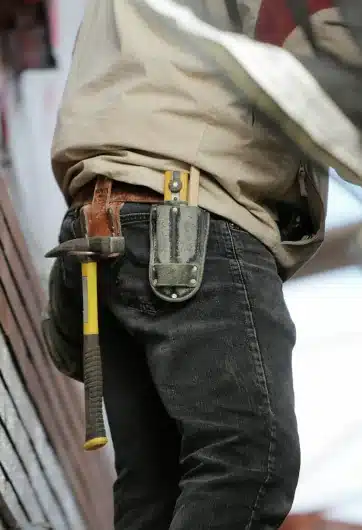
A single misstep on a roof or ladder can end in tragedy. For too many families, that moment changes everything in an instant. In fact, falls in construction remain the industry’s deadliest hazard, yet nearly all of them are preventable. With the right planning, equipment, and care, workers can stay safe and recover well when accidents happen.
Why Falls Are Construction’s Deadliest Risk
Construction builds our world, yet it remains one of the most dangerous jobs. In fact, falls are the leading cause of death in the industry. In 2024 alone, 389 of the 1,034 construction deaths came from falls to a lower level.
That means falls cause roughly one-third of all construction fatalities. Moreover, construction has more fatal falls than any other industry. So this is not a rare event but a daily danger.
Nonfatal falls take a heavy toll, too. Because the work is so physical, the construction injury rate is more than double the national average. As a result, many workers face broken bones, head injuries, and long recoveries.
Where Falls Happen Most
Most construction falls follow a few familiar patterns. Roofs, ladders, and scaffolds cause the majority of serious incidents. Meanwhile, unprotected edges, floor openings, and wall openings add constant risk.
Height is the key factor. In fact, OSHA requires fall protection once a worker is six feet or more above a lower level. Still, many falls happen from much lower heights, even from a few rungs up a ladder.
Conditions matter as well. For example, wet surfaces, loose materials, and poor lighting all raise the danger. So knowing where falls happen is the first step toward stopping them.
What Raises the Risk of a Fall
Beyond location, several conditions raise the odds of a fall. Fatigue is a major one, since long shifts dull focus and slow reflexes. Meanwhile, time pressure pushes workers to skip steps and rush.
Experience matters as well. In fact, newer workers often face higher risk before training catches up. Similarly, missing or damaged equipment leaves dangerous gaps.
Weather adds another layer. For example, rain, wind, ice, and heat all make footing less reliable. So spotting these factors early helps a crew act before anyone gets hurt.
The Role of Substance Use
One risk factor deserves special mention. Any substance that affects the brain can make a fall more likely. Alcohol, cannabis, certain medications, and other drugs all slow reaction time and weaken balance.
The link can also run in reverse. After a painful fall, some workers come to rely on opioids and develop a substance use disorder over time. Importantly, this is a treatable medical condition, not a matter of willpower. So if substance use becomes a concern, reaching out early makes recovery far more likely.
The Hidden Risk of Opioid Use in Construction Workers
Here the numbers turn sobering. For example, in 2020, construction and extraction workers had the highest drug overdose death rate of any occupation, at about 163 per 100,000. By comparison, that is roughly three times the rate for workers overall.
Furthermore, most of these deaths now involve synthetic opioids like fentanyl. Often, the danger begins with a workplace injury. In fact, one study found that more than half of opioid related overdose deaths followed a work injury.
In fact, work-related injuries significantly increase the risk of opioid-related death, and over half of injured workers receive opioid prescriptions following their claims.
How to Prevent Falls in Construction
Here is the encouraging part. Nearly every fall is preventable with the right approach. In fact, safety experts sum it up in three words: plan, provide, and train.
First, plan the work before it starts:
- Identify every fall hazard on the site
- Choose the safest way to do each task
- Budget time and money for safety gear
Next, provide the right equipment:
- Guardrails, safety nets, and covers for openings
- Personal fall arrest systems with harnesses and anchors
- Stable, well-placed ladders and inspected scaffolds
Finally, train every worker:
- Teach safe ladder, roof, and scaffold use
- Show how to wear and check a harness
- Encourage anyone to stop unsafe work
Together, these steps save lives. Because fall protection is consistently OSHA’s most cited standard, getting it right matters more than ever.
Medical Care and Recovery After a Fall
Even with strong prevention, accidents still happen. So knowing what to do next protects a worker’s health. After any serious fall, prompt medical care is essential, even when injuries seem minor at first.
A doctor can check for hidden damage, such as a concussion or spinal injury. From there, treatment may include rest, physical therapy, and a clear plan for healing. Meanwhile, a careful pain management plan supports recovery.
Returning to work deserves a thoughtful approach too. Because rushing back can cause reinjury, a gradual, guided return works best. In this way, good care helps workers heal fully and get back to the job they value.
How Solstice Health & Wellness Can Help
Solstice Health & Wellness understands the toll that construction work takes on the body. So for workers across the Sarasota area, we treat pain and addiction together, not in isolation. Importantly, our team meets people without judgment and focuses on restoring health.
First, care begins with a full medical picture, including any injury, pain, or medication concerns. Then we may offer medication treatment for opioid use disorder, broader addiction care, and clear guidance on how addiction develops. Ultimately, each plan fits the person in front of us.
In addition, distance is never a barrier. Because we provide telehealth across Florida, you can have follow-up care from home or even from the job site. So if pain or pills have taken over, reach out and take the first step today.
Questions Workers and Families Ask
What is the most common cause of construction falls?
Falls from roofs, ladders, and scaffolds top the list. Still, unprotected edges and floor openings cause many too. So guarding these spots prevents a great deal of harm.
At what height is fall protection required?
In construction, OSHA requires it at six feet or more. However, lower falls can still injure badly. Therefore, caution matters at any height.
What should I do right after a fall?
Seek medical care promptly, even if you feel fine. Because some injuries hide at first, an early check is wise. Then follow the recovery plan your doctor gives you.
Does taking prescribed opioids mean I am addicted?
No. Many people use them safely for a short time. Still, longer use raises the risk, so regular check-ins with your doctor matter.
Can I get treatment without losing my job?
Often, yes. Treatment is confidential, and many workers keep working while in care. In fact, getting help early tends to protect both your job and your health.
Is it too late if I have struggled for years?
Not at all. Because addiction is a treatable medical condition, care still works after a long struggle. So reaching out is always worth it.
Medically Reviewed By
Frank Melo, MD
Board Certified Addiction Medicine and Family Medicine
Medical Director, Solstice Health & Wellness
Last Updated: June 2026
References
- Socias-Morales CM, Chaumont Menéndez CK, Marsh SM. Fatal work-related falls in the United States, 2003–2014. American Journal of Industrial Medicine. 2018.
- Gu JK, Charles LE, Fekedulegn D, et al. Prevalence of injury in occupation and industry: Role of obesity in the National Health Interview Survey 2004 to 2013. Journal of Occupational and Environmental Medicine. 2016.
- Nadhim EA, Hon C, Xia B, Stewart I, Fang D. Falls from height in the construction industry: A critical review of the scientific literature. International Journal of Environmental Research and Public Health. 2016.
- Bhagavathula AS, Aldhaleei WA. Alcohol and Substance Use Among the Working Age Population: A Nationwide Study of Fall-Related Emergency Department Visits. J Stud Alcohol Drugs. 2024.
- Dong XS, Brooks RD, Rodman C, Rinehart R, Brown S. Pain and prescription opioid use among US construction workers: Findings from the 2011–2018 Medical Expenditure Panel Survey. American Journal of Public Health. 2022.
- Billock RM, Steege AL, Miniño A. Drug overdose mortality by usual occupation and industry: 46 U.S. states and New York City, 2020. National Vital Statistics Reports. 2023.
- Boden LI, Asfaw A, O’Leary PK, et al. Opioid-related mortality after occupational injury in Washington State: Accounting for preinjury opioid use. Occupational and Environmental Medicine. 2024.
- Wakeman SE. Opioid use disorder diagnosis and management. NEJM Evidence. 2022.
- Walter K. Medications to treat opioid use disorder. JAMA. 2026
Medical Disclaimer: The information provided on this page is for educational purposes only and is not a substitute for professional medical advice, diagnosis, or treatment. Always seek the advice of a qualified healthcare provider with any questions you may have regarding a medical condition.