
Integrated Urgent Care in Sarasota, FL
Urgent Care Within Addiction Treatment & Primary Care
Need urgent care in Sarasota for infections, injuries, or withdrawal symptoms? Solstice Health & Wellness provides same-day or next-day treatment within our integrated addiction medicine and primary care model. Your care team addresses acute concerns in the same setting where you receive addiction treatment, mental health care, and lifestyle medicine support.
As a result, your concerns receive efficient attention, care stays coordinated, medication risks decrease, and recovery stability improves.
If experiencing a medical emergency such as chest pain, severe shortness of breath, stroke symptoms, or overdose, call 911 immediately. Urgent care services address non-emergency conditions that require prompt medical attention.
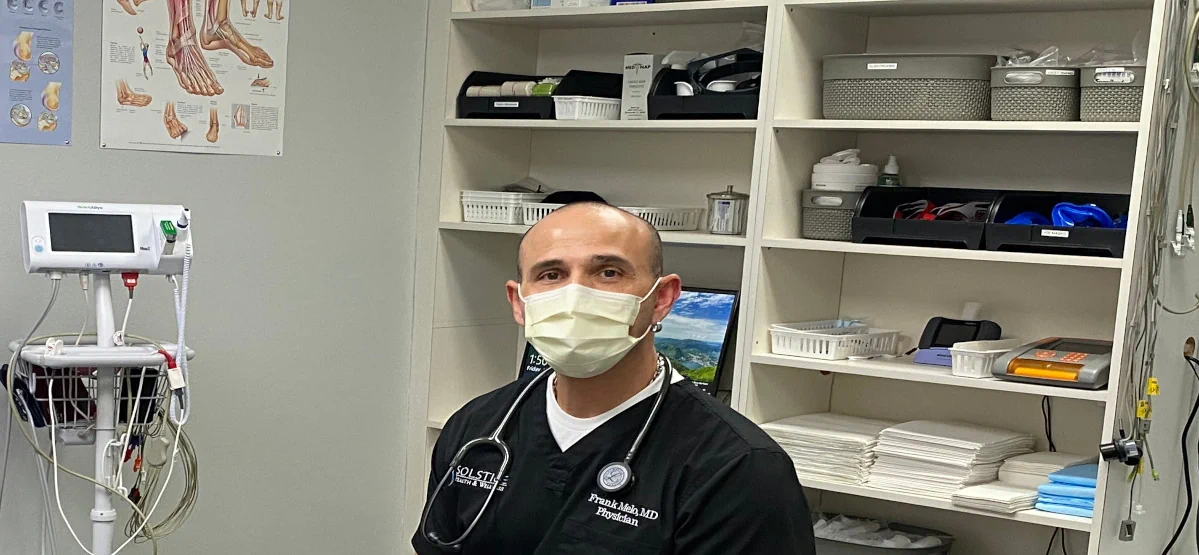
What Is Integrated Urgent Care?
Traditional urgent care centers operate separately from addiction treatment and primary care. In contrast, integrated urgent care connects directly to your existing treatment plan.
Because addiction, mental health conditions, and medical concerns often co-exist, treating an urgent issue in isolation can create risk. For example, prescribing certain medications without awareness of substance use history may increase relapse risk or cause harmful interactions.
At Solstice, every urgent visit is coordinated with:
- Addiction medicine treatment plans
- Mental health medication management
- Chronic disease management
- Preventive and lifestyle care
This whole-person model improves safety, continuity, and clinical decision-making.
Urgent Conditions We Treat
We manage non-life-threatening medical concerns appropriate for same-day or next-day outpatient urgent care in Sarasota with addiction-informed expertise. For example, each evaluation considers your substance use history, medications, and co-occurring conditions. Therefore, treatment stays safe and aligned with recovery.
Infections & Illness
Common presentations include upper respiratory infections, sinusitis, sore throat, cough, and mild asthma/COPD flares. Additionally, we treat ear infections, flu, COVID-19, viral syndromes, urinary tract infections, conjunctivitis, skin infections, abscesses, and wounds. Lab testing and rapid diagnostics help guide treatment decisions quickly.
Minor Injuries & Musculoskeletal Concerns
Pain management prioritizes non-opioid strategies aligned with recovery. Specifically, we handle sprains, strains, acute back pain, minor joint injuries, muscle spasms, cuts, wounds, and minor fractures. As a result, symptom relief supports your goals.
Gastrointestinal Symptoms
Nausea, vomiting, diarrhea, abdominal pain, and acid reflux flare-ups rank among the most common reasons for urgent visits. These often stem from medications, withdrawal, dietary changes, or underlying conditions. Therefore, we evaluate each case in the context of your full health picture.
Dermatologic Conditions
Importantly, skin concerns receive judgment-free care, especially injection-related issues. Examples include rashes, allergies, insect bites, infected wounds, slow-healing lesions, and xylazine-related complications. Early intervention reduces serious infection risk.
Neurologic & General Symptoms
Prompt evaluation covers headaches, migraines, dizziness, fatigue changes, and tremors. These require assessment for medical, medication, or substance-related causes.
Mental Health Concerns
Mental health symptoms like worsening anxiety, panic symptoms, acute insomnia, and mood changes can shift rapidly, and medication side effects need urgent attention. We evaluate these concerns to maintain treatment stability within your recovery plan
Substance Use & Withdrawal Concerns
Withdrawal symptoms and substance-related concerns develop quickly and are not always easy to distinguish from other medical or mental health conditions. At Solstice, the care team evaluates these issues in real time within the context of your full treatment plan.
Because alcohol and benzodiazepine withdrawal can become life-threatening, the team carefully assesses seizure risk, vital signs, prior withdrawal history, and coexisting conditions before determining the right level of care.
Urgent visits also cover medication side effects, missed doses of buprenorphine or naltrexone, breakthrough cravings, and return to use concerns.
If you are unsure whether your symptoms require urgent care, contact our office to discuss your symptoms and schedule a same-day or next-day visit when appropriate.
Why Integrated Urgent Care Matters
For individuals with substance use disorders, even routine health concerns carry additional considerations. Acute symptoms may be related to withdrawal, intoxication, medication interactions, infection risk, or chronic disease complications.
A sore throat, a skin infection, or a sleepless night may seem straightforward. However, the clinical decisions involved, including which medications to prescribe, which to avoid, and how symptoms relate to recovery, require a provider who understands the full picture. Furthermore, for patients in recovery, having urgent care available in a familiar, stigma-free environment lowers barriers to seeking care.
Research consistently shows that integrated care models, where addiction, medical, and mental health services work together, improve treatment retention, reduce emergency department visits, and support better outcomes.
Concerns are evaluated within our integrated addiction medicine setting, alongside:
- Current or past substance use
- Medication interactions, including buprenorphine or naltrexone
- Withdrawal risk or interrelated symptoms
- Co-occurring mental health conditions
- Chronic medical conditions influenced by substance use
This approach stabilizes acute concerns, supports ongoing recovery, and connects immediate care with long-term health goals.
What to Expect During an Urgent Care Visit
Urgent care appointments are available when clinically appropriate and depend on daily scheduling availability. Therefore, patients should call ahead to describe the concern and confirm that an urgent care visit is the right next step. In some cases, a telehealth visit may work well and come together faster.
From the moment you contact our office, the goal is to address your concern quickly and thoroughly.
Step 1: Initial review. We review your current symptoms, timeline, vital signs if available, and relevant history. Because your medical record, addiction treatment plan, and medication list already exist on file, our clinicians can assess the information efficiently, make initial recommendations, and schedule a same-day or next-day in-person or telehealth appointment when appropriate.
Step 2: Evaluation and treatment. Depending on the concern, your visit may include a physical examination, point-of-care testing, lab work, or diagnostic evaluation. Your provider then determines treatment, which may include prescriptions, wound care, symptom management, or referral for imaging or specialist evaluation. If your condition requires emergency evaluation or hospital-level care, we coordinate a warm handoff to ensure continuity.
Step 3: Follow-up and coordination. Your provider arranges follow-up, sends prescriptions, and documents any changes to your treatment plan. You leave with a clear next step, and we coordinate everything needed so that continuity remains seamless.
Urgent Care Services Summary
Our services include:
- Same-day or next-day appointments
- On-site diagnostics/labs
- Medication prescribing aligned with addiction treatment
- Withdrawal management
- Acute mental health support
- Minor wound/skin care
- Respiratory treatment
- Referral to emergency or specialty care when clinically indicated
Coordination With Ongoing Care
After your visit, we update your addiction, primary, and mental health treatment plans. We review medications, schedule follow-up, and arrange any referrals with you. As a result, urgent issues support your progress rather than disrupt it.
Telehealth Urgent Care Options
When appropriate, urgent concerns can be evaluated through secure telehealth visits. Specifically, virtual urgent care may work well for:
- Mild respiratory symptoms
- Medication concerns
- Wound checks
- Withdrawal monitoring
- Lab review
If needed, an in-person evaluation is scheduled as soon as possible.

When to Seek Urgent Care
You should seek urgent care if you experience:
- New or worsening symptoms that require prompt attention
- Signs of infection, such as fever, pain, or swelling
- Medication side effects or unexpected reactions
- Early withdrawal symptoms
- Minor injuries or acute pain
- Health concerns that feel urgent but not life-threatening
If you are an established patient and need urgent medical attention, contact our office to schedule a same-day or next-day appointment.
When to Go to the Emergency Department
Urgent care works well for acute problems that do not immediately threaten life. However, certain symptoms require emergency evaluation without delay.
Go to the nearest emergency room or call 911 immediately if you experience:
- Chest pain or pressure
- Difficulty breathing at rest
- Signs of stroke, such as sudden facial drooping, arm weakness, or slurred speech
- Suspected overdose or loss of consciousness
- Severe abdominal pain
- Uncontrolled bleeding or deep wounds
- High fever (>103°F) with confusion or a stiff neck
- Seizures
- Coughing up or vomiting blood
- Inability to walk or use an injured limb
- Active suicidal thoughts with plan or intent
When in doubt, emergency care is always the safer choice. Urgent care does not substitute for emergency medicine. If you are unsure, call 911 and let trained professionals make the determination.
If you are in crisis or having thoughts of self-harm, call or text 988 at any time.
Frequently Asked Questions
1. What is urgent care at Solstice Health & Wellness?
Same-day or next-day management of non-emergency concerns within integrated addiction treatment and primary care.
2. Do I need to be a current patient?
Urgent care services serve established patients with a substance use disorder. If you are not a patient, contact our office to discuss your needs and schedule an initial evaluation.
3. What urgent conditions do you treat?
Acute illness, infections, injuries, skin concerns, GI symptoms, respiratory issues, medication side effects, withdrawal, and worsening mental health concerns.
4. How do urgent care and emergency care differ?
Urgent care addresses non-life-threatening conditions (colds, UTI, minor injuries, etc). Emergency care addresses life-threatening conditions (chest pain, severe breathing difficulty, seizures, suspected overdose, etc).
5. Why does urgent care matter for addiction recovery?
Addiction treatment providers prevent medication conflicts and ensure safe, recovery-aligned clinical decisions.
6. Can you manage withdrawal?
Yes, we evaluate and manage acute withdrawal symptoms, medication concerns, and breakthrough cravings.
7. Do you coordinate urgent care visits with other treatments?
Yes, because all services at Solstice operate as an integrated system, any findings, prescriptions, or plan changes are updated in your clinical record immediately.
8. Is telehealth urgent care available?
Yes, when clinically appropriate, we can address certain urgent concerns through a secure telehealth visit.
Medically Reviewed By
Frank Melo, MD
Board Certified Addiction Medicine and Family Medicine
Medical Director, Solstice Health & Wellness
Last Updated: April 2026