
Integrated Primary Care for Addiction Treatment in Sarasota
Comprehensive Medical, Mental, & Substance Use Care

What Is Integrated Primary Care for Addiction Treatment?
Integrated primary care for addiction treatment is a clinical model built around addiction medicine as the main service. This model coordinates medical care, mental health care, and wellness support to serve individuals with substance use disorders and complex health conditions.
Rather than treating each concern on its own, this approach recognizes that addiction, physical illness, and behavioral health conditions are closely linked. For many people, the best care is not separate care given in silos. Instead, it is a coordinated plan that addresses overlapping conditions together. As a result, coordination improves continuity, reduces barriers, and allows treatment to adapt as needs change over time.
Research shows that patients who receive integrated care are more likely to stay in treatment, reduce or stop substance use, and improve overall health. In addition, bringing all services together in one place makes care more accessible while easing the shame that often prevents people from seeking help.
How We Deliver Integrated Addiction and Medical Care
At Solstice Health & Wellness, integration is not just a philosophy. It is built into every visit. Our care model centers on addiction medicine, with primary care, mental health care, and lifestyle wellness services delivered together in one setting.
This approach incorporates integrative medicine, as outlined by the National Center for Complementary and Integrative Health, by combining conventional medical treatment with appropriate complementary strategies for whole-person care. For example, a patient with opioid use disorder, anxiety, and chronic pain may be treated with buprenorphine alongside acupuncture, mindfulness, and yoga to support recovery, reduce stress, and improve overall function.
During each appointment, the clinical team evaluates, monitors, and manages medical, mental health, and addiction needs together. This is different from systems where patients must move between separate offices, providers, or visits to get the care they need.
The sections below describe how each area functions and what patients can expect.
Addiction Medicine
Every visit at Solstice integrates addiction medicine directly with routine medical care. During each appointment, the clinical team evaluates and manages substance use alongside physical health needs. The team also offers medication for addiction treatment and outpatient withdrawal management when clinically appropriate.
For a full overview of substances treated and available medications, visit our Addiction Treatment and Recovery Care page.
Primary Care for Substance Use Disorders
Integrated primary care for addiction treatment at Solstice is built for patients with active or past substance use disorders. The team provides full-scope primary care while also treating addiction and co-occurring health conditions at the same time.
Services include routine exams, preventive counseling, chronic disease management, medication review, follow-up care, and workup of new symptoms or concerns. For example, we provide care for:
- Annual physicals and routine check-ups
- Cancer screening, including breast, cervical, colon, and lung cancer screening when appropriate
- HIV and hepatitis screening, counseling, and prevention, including PrEP
- Heart health risk assessment and prevention counseling
- Vaccinations, including flu, pneumonia, hepatitis, COVID-19, and tetanus
- Travel health counseling and immunizations for international travel
- Same-day visits for non-emergency concerns when urgent care is needed
While primary care focuses on prevention, routine care, and long-term management, urgent care addresses same-day problems not requiring emergency attention, such as acute illnesses, minor injuries, infections, and other urgent medical concerns.
Mental Health Care for Co-Occurring Disorders
Mental health and substance use disorders are closely connected. For instance, untreated anxiety or depression often worsens medical issues, while substance use affects mood and thinking.
At Solstice, the team screens for, diagnoses, and treats conditions like anxiety, depression, PTSD, and bipolar disorder within the same care setting. By integrating behavioral health in routine visits rather than using separate or step-by-step treatments, care is delivered seamlessly, and patients benefit from a unified plan.
Explore Mental Health Care for Co-Occurring Disorders
Lifestyle Medicine & Recovery Support
Lifestyle medicine supports recovery and long-term health by addressing daily habits that affect physical and emotional well-being. Exercise, nutrition, mindfulness, stress management, peer support, and recovery coaching all work alongside medical treatment.
Together, these practices help patients build a stronger foundation for healing, disease prevention, and sustained recovery.
Explore Lifestyle Medicine and Wellness Services
Virtual Care & Telehealth
Virtual care helps patients stay connected to treatment when in-person visits are not the best option. Telehealth supports follow-up visits, behavioral health care, medication management, and ongoing care.
This flexibility removes common barriers for patients with transportation challenges, busy schedules, or those who prefer care from home. As a result, staying connected to treatment becomes simpler and more consistent.
Diagnostic and Lab Services
Accurate diagnosis guides effective treatment. Therefore, a broad range of lab and diagnostic services helps guide care, monitor chronic conditions, and identify problems early.
Lab and Genomic Testing
Advanced testing can reveal genetic factors that affect medication response, metabolic imbalances, nutrient gaps, and hormone levels. Based on these findings, the team can then build a personalized treatment plan.
Toxicology screening is also available to monitor substance use and support treatment decisions.
Heart Health Screening
Heart evaluation may include risk assessment, EKG, and stress testing when indicated. These tools help identify disease risk and guide prevention.
Lung Function Testing
Lung function tests help check breathing health. In particular, they matter for patients with asthma, COPD, smoking history, or ongoing breathing symptoms.
Allergy, Vision, and Hearing Testing
Allergy testing may identify environmental or food sensitivities that contribute to symptoms. In addition, vision and hearing screening help detect concerns so patients can be referred for further care when needed.
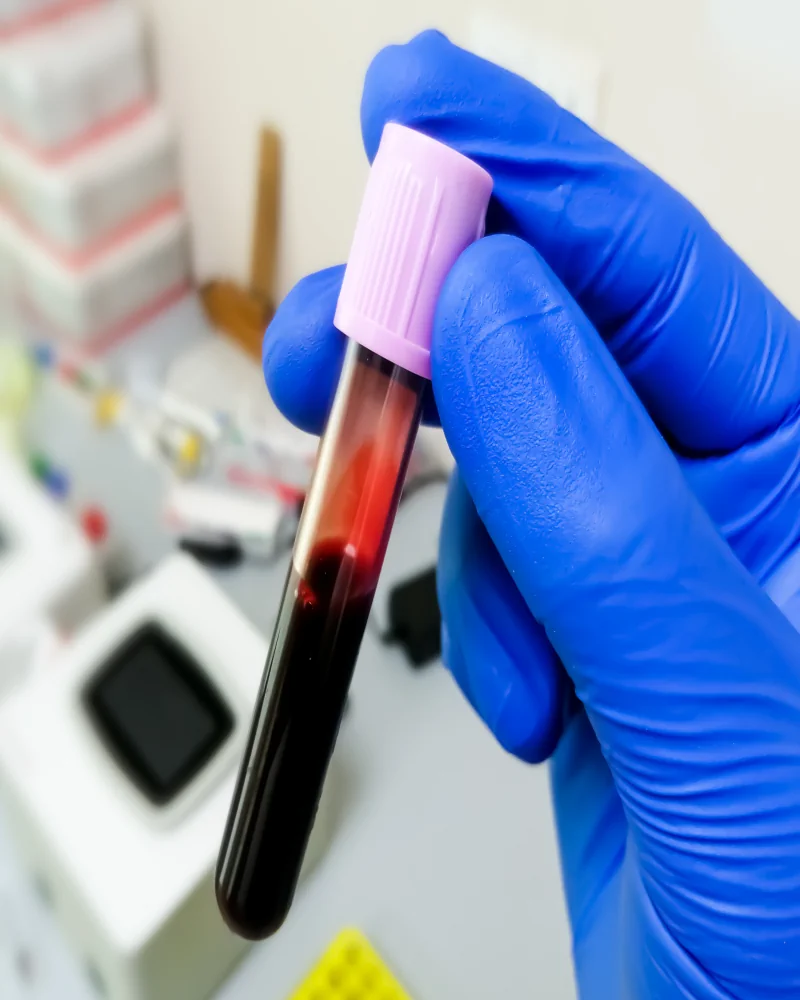
Medical Conditions We Treat
We diagnose and manage a wide range of acute and chronic medical conditions. Treatment may include medication, vitamin support, hormone replacement, procedures, lifestyle guidance, and ongoing tracking. When needed, the team sets up specialist referrals as part of the care plan.
Because addiction can affect nearly every organ system, many of the conditions below have both general and substance-related causes.
Cardiovascular
This includes conditions affecting the heart and blood vessels.
Acute: Chest pain, sudden severe high blood pressure, racing or pounding heartbeat, and fainting.
Chronic: High blood pressure, high cholesterol, coronary artery disease, heart failure, irregular heart rhythms such as atrial fibrillation, and poor blood flow in the legs.
Substance‑related: Stimulants such as cocaine and methamphetamine raise heart rate and blood pressure. Over time, they increase the risk of heart attack, stroke, and abnormal rhythms. In addition, heavy alcohol use weakens the heart and raises blood pressure, while tobacco damages blood vessels and speeds up heart disease.
Respiratory
This includes breathing and lung conditions.
Acute: Upper respiratory infections, bronchitis, pneumonia, and flare‑ups of asthma or COPD.
Chronic: COPD, asthma, and ongoing cough.
Substance‑related: Smoking and vaping damage lung tissue and worsen cough, asthma, and COPD. Similarly, inhaled stimulant use may cause cough, bronchitis, and lung irritation. In addition, opioids slow breathing and raise overdose risk.
Neurological / Cognitive
This includes the brain and nervous system.
Acute: Headaches, nerve pain, dizziness, tremors, seizures, and memory concerns.
Chronic: Migraines, chronic tension headaches, peripheral neuropathy, tremors, and cognitive impairment.
Substance‑related: Stimulants increase the risk of stroke and seizures. On the other hand, nitrous oxide reduces vitamin B12 levels, which can damage the spinal cord and nerves. Alcohol use impairs nutrient absorption and is linked to deficiencies in vitamins B1and B12, folate, vitamin D, zinc, phosphorus, and magnesium.
Chronic alcohol use can cause brain and nerve changes resulting in problems with balance, coordination, and memory. Similarly, chronic benzodiazepine use affects memory and coordination. During withdrawal from alcohol or benzodiazepines, tremors, seizures, and delirium may occur.
Psychiatric / Behavioral
This includes mood, thinking, and behavior.
Acute: Suicidal thoughts, panic attacks, sudden psychosis, and substance intoxication or withdrawal.
Chronic: Depression, anxiety disorders, PTSD, bipolar disorder, schizophrenia, and substance use disorders.
Substance‑related: Mental health conditions and substance use often occur together. For example, stimulant intoxication may cause paranoia, while withdrawal commonly leads to fatigue and depression.
Sleep Disorders
This includes problems with sleep quality, sleep patterns, nightmares, and other sleep-related conditions.
Acute: Severe insomnia, withdrawal‑related sleep disruption, and sudden changes in sleep cycle.
Chronic: Insomnia, sleep apnea, restless sleep, nightmares, and daytime fatigue.
Substance‑related: Drug and alcohol use disrupts sleep architecture, affects sleep-wake cycles, and causes insomnia. For instance, stimulants disrupt circadian rhythms, while PTSD often causes nightmares and fragmented sleep. Opioids may worsen sleep‑disordered breathing, including sleep apnea.
Metabolic / Endocrine
This includes blood sugar, hormones, weight, and metabolism.
Acute: Very high or very low blood sugar, and severe thyroid imbalance.
Chronic: Type 2 diabetes, prediabetes, obesity, underactive or overactive thyroid, and abnormal cholesterol levels.
Substance‑related: Xylazine exposure may lead to adrenal problems. Meanwhile, alcohol use is tied to metabolic imbalance and weight gain. Stimulants may decrease appetite, leading to weight loss and poor nutrition. Over time, long-term substance use can also worsen insulin resistance.
Gastrointestinal / Hepatic
This includes the stomach, intestines, and liver.
Acute: Stomach virus, food poisoning, hepatitis A, and diverticulitis.
Chronic: Acid reflux, stomach ulcers, irritable bowel syndrome, chronic liver disease, and fatty liver disease.
Substance‑related: Alcohol use contributes to liver disease, pancreatitis, and GI bleeding. In turn, opioid use commonly causes constipation and GI dysfunction. Also, injection drug use increases the risk of hepatitis B and C.
Infectious Disease
This includes infections of the skin, genitals, urinary system, heart, lungs, bones, and bloodstream.
Acute: Colds, influenza, COVID‑19, sore throat from infection, urinary tract infections, and skin infections.
Chronic: HIV, chronic hepatitis B or C, and tuberculosis.
Substance‑related: Sharing injection equipment increases the risk of HIV, hepatitis, and deep tissue infections that can spread systemically. At the same time, substance use weakens the immune system and slows healing.
Learn how injection drug use increases the risk of infection
Hematologic / Oncologic
This includes blood, clotting conditions, and cancers.
Acute: Sudden bleeding and blood clots.
Chronic: Anemia, long-term blood thinner management, and cancer surveillance.
Substance‑related: Alcohol suppresses bone marrow, worsens anemia, and is associated with cancers of the mouth, throat, liver, colon, and breast. Furthermore, liver disease related to alcohol also impairs clotting and increases bleeding risk. Tobacco is the leading preventable cause of cancer and contributes to lung cancer, multiple solid tumors, and acute myeloid leukemia.
Additionally, anabolic steroids are linked to blood clots and liver tumors, while cannabis use has been tied to testicular cancer, though evidence for other cancers remains limited.
Musculoskeletal
This includes bones, joints, muscles, and pain conditions.
Acute: Sprains, strains, sudden back pain, gout attacks, and minor fractures.
Chronic: Osteoarthritis, chronic back pain, fibromyalgia, and rheumatoid arthritis.
Substance‑related: Chronic opioid use can increase pain sensitivity, while withdrawal causes severe discomfort that may drive relapse. In addition, alcohol weakens bones over time, and stimulants can lead to muscle breakdown and jaw clenching.
Dermatologic
This includes skin and soft tissue conditions.
Acute: Rashes, lesions, infections, and abscesses.
Chronic: Acne, rosacea, eczema, psoriasis, growths, and long‑standing wounds.
Substance‑related: Injection use and skin popping can cause infections, chronic wounds, and tissue damage. In particular, xylazine exposure may lead to severe, slow-healing wounds, sometimes appearing away from the injection site. Stimulant use can also cause skin picking and neurodermatitis.
Oral / Dental Health
This includes the teeth, gums, and overall health of the mouth.
Acute: Tooth pain, dental abscesses, gum infections, oral ulcers, broken or chipped teeth, and sudden jaw pain.
Chronic: Cavities, gum disease, chronic gum inflammation, tooth loss, teeth grinding, and persistent oral infections or lesions.
Substance-related: Stimulant use causes teeth grinding and jaw clenching, leading to earache, headache, and facial pain. In addition, methamphetamine use causes severe dental decay, gum disease, and mouth sores. Cocaine and opioid use contribute to poor dentition and dental caries. As a result, poor oral health can lead to infection, pain, and difficulty eating.
Nasal / Sinus Conditions
This includes conditions affecting the nasal passages and sinus cavities.
Acute: Sinus infections (viral or bacterial), severe nasal congestion, facial pressure or pain, nosebleeds, post‑nasal drip, and sudden loss of smell.
Chronic: Chronic sinusitis, nasal polyps, persistent congestion, recurrent sinus infections, chronic post‑nasal drainage, reduced sense of smell, and structural issues such as septal deviation.
Substance‑related: Intranasal drug use, especially cocaine, can damage the nasal lining and blood supply. Over time, this may lead to chronic inflammation, nosebleeds, loss of smell, septal perforation (a hole in the nasal septum), recurrent infections, or structural collapse. In addition, smoking and vaping worsen sinus inflammation.
Genitourinary / Reproductive
This includes kidney, urinary, and reproductive health.
Acute: Urinary tract infections, kidney infections, sudden kidney injury, testicular torsion, and acute pelvic pain.
Chronic: Chronic kidney disease, erectile dysfunction, and menopause symptoms.
Substance‑related: Dehydration and stimulant use can strain the kidneys. Opioid use is known to cause hormonal disruption, including low testosterone and menstrual irregularities.
Chronic ketamine use can cause severe bladder damage, known as ketamine cystitis, leading to urinary frequency, urgency, and pain. In advanced cases, this may result in a shrunken, nonfunctional bladder. Upper urinary tract damage, including hydronephrosis, may also occur.
Specialty Coordination
While an integrated primary care for addiction treatment model provides comprehensive services, some patients need specialized help. Coordination with specialists ensures care is smooth and connected.
Specialist Referrals
The team arranges referrals to addiction psychiatrists for complex medication management. In addition, working with liver and infectious disease specialists matters when advanced treatment is needed. Pain specialists can also help manage chronic pain that calls for more focused approaches. Also, cardiology, endocrinology, and other specialty referrals may be arranged and tracked as part of the care plan.
Higher Levels of Care
When needed, patients may be referred to residential treatment, intensive outpatient programs, or medically supervised withdrawal facilities. In each case, the team handles transitions through a warm handoff process to maintain continuity of care.
Community and Social Resources
Beyond medical care, support services such as housing assistance, employment support, legal advocacy, and transportation resources help patients rebuild stability and improve long-term outcomes.
Referring a Patient to Solstice
Clinicians and healthcare facilities can refer patients directly to Solstice Health & Wellness. Appropriate referrals include patients with substance use disorders and co-occurring medical and behavioral health conditions, those needing outpatient withdrawal management, and patients transitioning from higher levels of care.
To refer a patient, call 941-330-9797 or contact us. Helpful information includes the patient’s primary concerns, substances used, relevant medical and psychiatric history, current medications, recent lab results when available, and any immediate safety concerns.
Integrative Addiction Medicine & Primary Care at Solstice
Solstice Health & Wellness delivers outpatient integrative primary care through a patient-centered medical home model that is comprehensive, coordinated, easy to access, and focused on quality. Above all, the goal is to provide a safe place where medical, mental health, and addiction needs can all come together in one welcoming location.
This approach emphasizes:
- Accessible care, including same-day or next-day appointments when available
- Shared decision-making built around each patient’s goals and priorities
- Support for self-management and long-term stability
- Tech-forward care with patient portal, telephone, text, and audio-video options
- Strong communication across the care team and with outside specialists when needed
- Continuous improvement guided by outcomes, quality, and patient experience
For patients in Sarasota, this means care that is practical, compassionate, and designed to reduce the gaps that often make treatment harder to sustain. In addition, it reflects a direct-access model that supports continuity without unnecessary barriers.
At the first visit, patients can expect a thorough evaluation, discussion of goals, review of current medications and concerns, and a care plan created just for them. In many cases, this can include primary care, addiction care, mental health screening, and follow-up planning all in one coordinated starting point.
Contact Solstice Health & Wellness to Schedule an Appointment Today.
Frequently Asked Questions
1. What is integrated primary care for addiction treatment?
Unlike traditional primary care that adds addiction screening, this model builds the entire program around addiction medicine and layers full-scope primary care, mental health, and wellness into that structure.
2. Do you provide primary care and addiction treatment in the same visit?
Yes. Our model is designed so that substance use, medical issues, and mental health needs can be addressed together during the same visit whenever clinically appropriate.
3. What makes your program different from other outpatient addiction treatment programs?
Our program is addiction-centered and includes comprehensive primary care, mental health care, and medical management of substance-related conditions within one integrated clinical model.
4. What medical and behavioral health conditions do you treat?
We manage the full spectrum from preventive/wellness to acute and chronic medical, mental, and substance use conditions appropriate for the outpatient setting. Care may be coordinated with a specialist if needed.
5. What if I have multiple health problems?
That is common. Care is designed to manage multiple conditions together rather than separately, which helps improve outcomes and simplify treatment.
6. Do you offer telehealth?
Yes. Virtual care is available for appropriate follow-up and ongoing treatment. Telehealth buprenorphine treatment is also available to patients across all of Florida.
7. Who is this integrated primary care program best suited for?
This program is ideal for individuals with a substance use disorder, especially those with co‑occurring medical or mental health conditions. Treating addiction and other health concerns together improves coordination and supports long‑term health.
8. Is this program appropriate if I mainly need help with addiction and not primary care?
Yes. Substance use disorder is a chronic medical condition, and patients benefit from comprehensive medical evaluation and coordinated addiction treatment even if they do not have other active diagnoses.
9. How do I get started?
Call Solstice Health & Wellness to schedule an initial appointment. The first visit includes a full evaluation, medication review, and a personalized care plan covering addiction, medical health, and behavioral health.
10. Will my care be confidential?
Yes. All care follows medical privacy regulations. Substance use treatment records also receive additional federal protection under 42 CFR Part 2, which sets stricter privacy standards than standard medical records.
Medically Reviewed By
Frank Melo, MD
Board Certified Addiction Medicine and Family Medicine
Medical Director, Solstice Health & Wellness
Last Updated: April 2026