
EVALI Vaping Lung Injury: What to Know
Key Points
✓ EVALI is a serious lung injury linked to vaping
✓ Symptoms often include respiratory and intestinal issues
✓ No vaping product is considered safe for lung health
✓ Long-term effects can persist even after initial recovery
✓ Early medical care improves outcomes
In This Article
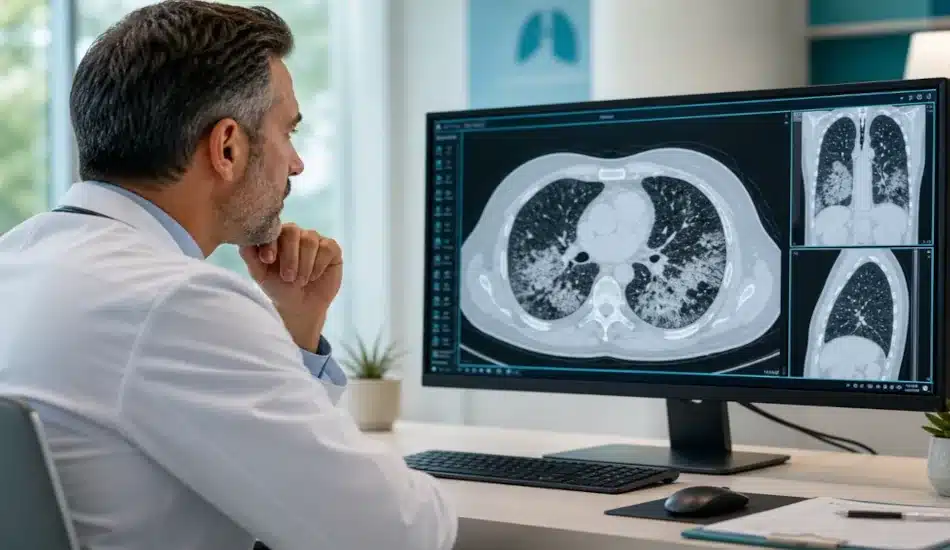
EVALI vaping lung injury is a serious condition that can lead to breathing failure, hospitalization, and long-term lung damage. Symptoms often include shortness of breath, cough, nausea, vomiting, abdominal pain, and fever.
What Is EVALI Vaping Lung Injury?
EVALI stands for e-cigarette, or vaping, product use-associated lung injury. It is a serious condition that damages the lungs after someone inhales aerosolized chemicals from a vape device.
The condition first made national headlines in 2019, when the CDC tracked more than 2,800 hospitalizations and 68 deaths across all 50 states. Most patients were young adults with a median age of 24, and roughly two-thirds were male.
EVALI is not a single disease. Instead, it describes a pattern of lung damage, ranging from organizing pneumonia to diffuse alveolar damage, triggered by toxic substances in vape liquids.
By understanding these basics can help families spot warning signs early and take action before the condition becomes severe.
Recognizing the Warning Signs
EVALI symptoms often look like the flu or a bad chest cold at first, which is one reason the condition gets missed. Three groups of symptoms tend to appear together:
- Breathing problems: shortness of breath, chest pain, and cough that worsens over days
- Stomach issues: nausea, vomiting, diarrhea, and abdominal pain
- Whole-body symptoms: fever, chills, fatigue, and unintended weight loss
The overlap of stomach and lung symptoms at the same time is one of the most distinctive features of EVALI. In many cases, stomach symptoms actually show up before breathing trouble does.
Importantly. oxygen levels can drop quickly. CDC guidance recommends hospital admission for anyone whose blood oxygen saturation falls below 95% on room air. In published case series, roughly one-third of patients needed intensive care, and up to 22% required a breathing tube and mechanical ventilation.
Therefore, anyone who vapes and develops a combination of these symptoms should seek medical attention right away, even if the symptoms seem mild at first.
Myths and Facts About EVALI Vaping Lung Injury
Misinformation about vaping and lung injury spreads fast. Here are some of the most common myths, along with what the research actually shows.
Myth: EVALI was a 2019 problem that went away.
The large outbreak peaked in September 2019, and the CDC stopped collecting national case data in February 2020. However, cases of vaping-related lung disease have been documented since 2012 and continue to be reported.
Additionally, the American Thoracic Society noted in a 2023 workshop report that EVALI diagnoses persist to this day. Therefore, the end of national tracking does not mean the end of the condition.
Myth: Only THC vapes cause lung injury.
Vitamin E acetate, a thickening agent found mainly in THC-containing vape cartridges from informal sources, was strongly linked to the 2019 outbreak. It was detected in the lung fluid of 94% of tested patients.
Nevertheless, about 14% of patients in national surveillance data reported using only nicotine-containing products. The CDC has stated that evidence is not sufficient to rule out the contribution of other chemicals in either THC or nicotine products.
Myth: If a vape product is sold in a store, it must be safe.
No vaping product has been proven safe for the lungs. E-cigarette aerosol contains chemicals like propylene glycol, vegetable glycerin, volatile carbonyls, heavy metals, and various flavoring agents.
In fact, research shows these substances are toxic to lung cells, trigger inflammation, impair immune defenses, and cause oxidative stress. Therefore, retail availability does not equal safety.
Myth: Young, healthy people bounce back quickly.
While most patients survive, the aftermath can be significant. A prospective study that followed 73 EVALI patients for 12 months found that 48% still had breathing limitations, 39% showed cognitive impairment, and 59% reported anxiety or depression.
Furthermore, a 2026 case-control study confirmed that EVALI patients experience significantly more cognitive symptoms, shortness of breath, and difficulty with daily activities compared to people who vape without developing lung injury.
What Causes EVALI?
EVALI is best understood as a chemical burn inside the lungs. When someone inhales a toxic substance through a vape device, it can damage the delicate air sacs where oxygen enters the bloodstream.
Vitamin E acetate remains the most clearly identified culprit. It was found in the lung fluid of the vast majority of tested patients during the 2019 outbreak. Once public health agencies identified it and informal-market THC cartridge use declined, new cases dropped sharply.
Even so, the full picture is more complicated. For example, some patients developed EVALI without any detectable vitamin E acetate exposure. In addition, animal studies show that even standard vape base liquids, propylene glycol and vegetable glycerin, can cause lung inflammation on their own, although the damage is less severe than when vitamin E acetate is added. Additionally, the American Heart Association’s 2023 scientific statement concluded that additional product characteristics could contribute to EVALI beyond vitamin E acetate alone.
The strongest risk factors identified in epidemiologic studies include:
-
Using THC-containing vape products, especially from informal sources like friends, dealers, or online sellers
-
Frequent use (more than five times per day)
-
Using counterfeit or unregulated cartridge brands
Notably, obtaining THC vape products from informal sources carried nearly nine times the odds of developing EVALI compared to other sources, according to a CDC-supported study in Illinois.
Long-Term Effects Families Should Know About
EVALI is not always a short-term crisis that resolves completely. Research on long-term outcomes paints a more sobering picture.
At one year after diagnosis, one study found that 75% of patients who underwent lung function testing still had measurable abnormalities. About one in four patients required hospital readmission, and the one-year mortality rate was nearly 5%.
In rare but documented cases, lung damage progressed to the point of requiring a lung transplant.
Perhaps most concerning for families is the finding that many patients continue to vape after an EVALI diagnosis. Only 38% of patients in one prospective study had quit all vaping and smoking by the 12-month mark.
Nicotine creates a powerful physical dependence, and quitting without structured support is difficult. That is why addiction medicine plays a central role in both treatment and prevention of repeat episodes.
When to Seek Medical Care
Timing matters with EVALI. Early recognition and treatment improve outcomes. Seek medical attention if someone who vapes develops:
-
Shortness of breath or chest pain that worsens over several days
-
Persistent nausea, vomiting, or diarrhea alongside breathing trouble
-
Fever and fatigue that do not improve with rest
-
Coughing that gets worse rather than better
EVALI is a diagnosis of exclusion, meaning doctors must rule out infections and other lung conditions first. The workup typically includes pulse oximetry, chest imaging, blood tests, and sometimes testing for influenza or other respiratory infections.
There is no single lab test that confirms EVALI, so a thorough history of vaping product use is essential.
CDC guidance emphasizes that clinicians should ask about vaping in a nonjudgmental way. Families can help by creating a safe space for honest conversation about what products are being used and where they come from.
How Solstice Health & Wellness Can Help
Solstice Health & Wellness in Sarasota, Florida treats tobacco and vaping dependence as a chronic medical condition. The program brings together addiction medicine, primary care, mental health, and lifestyle wellness under one roof, so patients do not have to piece together care from multiple providers.
A good starting point is the Confidential Nicotine Use Assessment, which helps identify the scope of use and guides next steps without pressure or judgment. For those ready to address vaping dependence directly, we use structured medical and behavioral approaches to help patients stabilize and move toward lasting change.
Because EVALI can affect breathing, mood, and daily function long after the acute episode, follow-up medical care matters. Early support can prevent repeat lung injury and help patients stop vaping safely.
A Calmer Path Forward
EVALI vaping lung injury is a real and potentially serious condition that can affect anyone who uses e-cigarette or vaping products. The 2019 outbreak brought it into public view, but cases have not disappeared.
Symptoms can mimic the flu, long-term effects are common in survivors, and no vaping product has been proven safe for the lungs.
The most protective step is also the simplest: stop using vaping products entirely. For those who find that difficult because of nicotine dependence, medical treatment can make a meaningful difference.
Families who stay informed and keep communication open are in the best position to help a loved one get the care they need.
Medically Reviewed By
Frank Melo, MD
Board Certified Addiction Medicine and Family Medicine
Medical Director, Solstice Health & Wellness
Last Updated: June 2026
References
- Siegel DA, Jatlaoui TC, Koumans EH, et al. Update: Interim Guidance for Health Care Providers Evaluating and Caring for Patients With Suspected E-Cigarette, or Vaping, Product Use Associated Lung Injury – United States, October 2019. MMWR Morb Mortal Wkly Rep. 2019.
- Krishnasamy VP, Hallowell BD, Ko JY, et al. Update: Characteristics of a Nationwide Outbreak of E-Cigarette, or Vaping, Product Use-Associated Lung Injury – United States, August 2019–January 2020. MMWR Morb Mortal Wkly Rep. 2020.
- Rebuli ME, Rose JJ, Noël A, et al. The E-Cigarette or Vaping Product Use-Associated Lung Injury Epidemic: Pathogenesis, Management, and Future Directions: An Official American Thoracic Society Workshop Report. Am J Respir Crit Care Med. 2023.
- Blount BC, Karwowski MP, Shields PG, et al. Vitamin E Acetate in Bronchoalveolar-Lavage Fluid Associated With EVALI. N Engl J Med. 2020.
- Ghinai I, Navon L, Gunn JKL, et al. Characteristics of Persons Who Report Using Only Nicotine-Containing Products Among Interviewed Patients With E-Cigarette, or Vaping, Product Use-Associated Lung Injury – Illinois, August–December 2019. MMWR Morb Mortal Wkly Rep. 2020.
- Rose JJ, Krishnan-Sarin S, Exil VJ, et al. Cardiopulmonary Impact of Electronic Cigarettes and Vaping Products: A Scientific Statement From the American Heart Association. Circulation. 2023.
- Blagev DP, Callahan SJ, Harris D, et al. Prospectively Assessed Long-Term Outcomes of Patients With E-Cigarette- or Vaping-Associated Lung Injury. Ann Am Thorac Soc. 2022.
- Navon L, Jones CM, Ghinai I, et al. Risk Factors for E-Cigarette, or Vaping, Product Use-Associated Lung Injury (EVALI) Among Adults Who Use E-Cigarette, or Vaping, Products – Illinois, July – October 2019. MMWR Morb Mortal Wkly Rep. 2019.
- Blagev DP, Eve J, Collingridge DS, et al. Long Term Health Outcomes for Patients With E-Cigarette or Vaping, Associated Lung Injury (EVALI) Compared to Matched Control Subjects Who Vape. BMC Pulm Med. 2026.
Medical Disclaimer: The information provided on this page is for educational purposes only and is not a substitute for professional medical advice, diagnosis, or treatment. Always seek the advice of a qualified healthcare provider with any questions you may have regarding a medical condition.