Lifestyle Medicine & Wellness Care

Wellness Care in Addiction Recovery
At Solstice Health & Wellness Sarasota, lifestyle medicine focuses on how daily habits such as sleep, nutrition, exercise, and stress management influence overall health. Specifically, these services address concerns like fatigue, insomnia, weight gain, and physical deconditioning that gradually develop from everyday patterns.
For example, when sleep suffers, stress increases. In addition, inconsistent nutrition further reduces energy and resilience. As these patterns continue, they begin to affect physical health, mental clarity, mood stability, and daily functioning.
However, with the right support, small and sustainable adjustments can lead to meaningful improvements in energy, focus, and well being. Furthermore, consistent daily habits play a powerful role in shaping long term health outcomes.
Call or connect with us to integrate lifestyle wellness into your addiction recovery plan.
Foundations of Lifestyle Health
During active addiction and early recovery, daily routines often shift significantly. In turn, sleep cycles change, meals become inconsistent, and physical activity declines as stress builds. Consequently, these changes affect energy, mood, focus, and overall wellness.
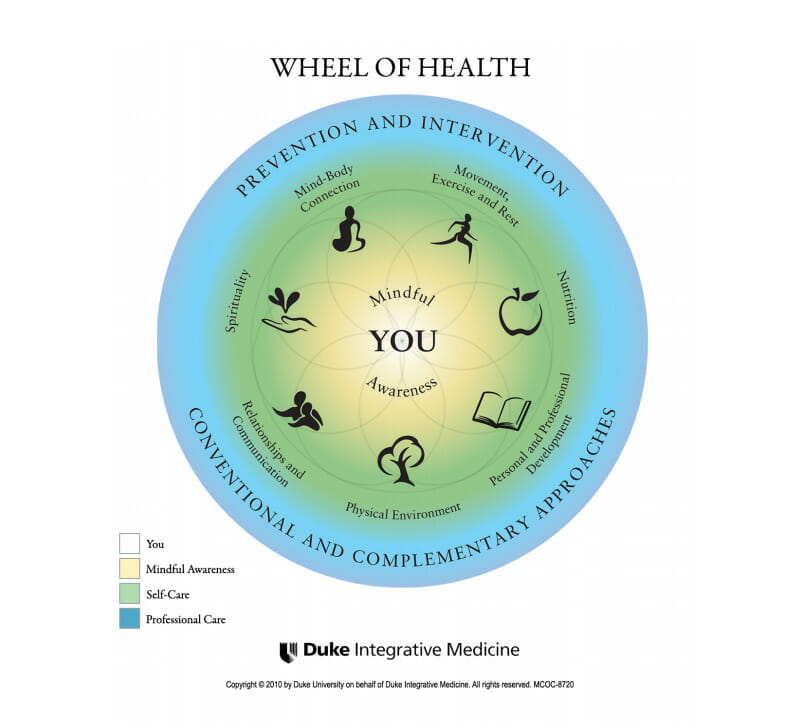
For this reason, preventive care during addiction recovery emphasizes restoring balance and consistency. By improving sleep, nutrition, hydration, movement, and stress, patients strengthen both physical and mental health.
Lifestyle Problems in Early Recovery:
- Poor sleep and irregular rest cycles
- Chronic fatigue and low daytime energy
- Weight gain related to metabolic or hormonal changes
- Stress and anxiety
- Sedentary habits
- Inconsistent eating patterns
- Inadequate hydration
- Brain fog and mental fatigue
- Low motivation for healthy routines
- Social isolation
In fact, addressing these concerns early helps reduce the risk of long-term conditions such as hypertension, diabetes, and persistent mood disorders. More importantly, it creates stability that supports lasting recovery.
Preventive Lifestyle Medicine & Health Coaching
Preventive lifestyle medicine creates realistic plans tailored to individual goals and risks. First, early assessments identify concerns before they progress. Then, coaching then builds practical strategies to prevent disease progression while improving markers such as cholesterol, sleep quality, and stress resilience.
Although making lasting habit changes can feel overwhelming, especially when multiple factors are involved, structured guidance makes the process manageable. For this reason, health coaching provides accountability, regular check-ins, and ongoing guidance to maintain consistency.
Support in this area may include:
- Sleep improvement planning
- Personalized nutrition guidance
- Stress reduction strategies
- Physical activity recommendations
- Identifying barriers to change
- Building realistic routines
- Tracking measurable gains in energy, sleep, and mood
- Adjusting plans as circumstances evolve
Notably, evidence suggests health coaching improves adherence to healthy behaviors two to three times compared to self-directed efforts. As a result, many patients see better blood sugar control, improved cholesterol levels, weight stabilization, and clearer thinking within 90 days.
Harm Reduction & Preventive Medical Care
Harm reduction services protect health while individuals move toward recovery. By lowering the risk of overdose, infection, and medical complications, patients gain stability and confidence during treatment.
For instance, overdose prevention tools such as naloxone can save lives. Likewise, fentanyl test strips and safer-use education reduce the risk of accidental overdose. In addition, early screening for HIV, hepatitis C, and sexually transmitted infections supports long-term health by identifying concerns early.
When immediate risks decrease, it becomes easier to focus on recovery. Consequently, patients feel safer and engage more fully in treatment. Ultimately, harm reduction is not about judgment. Rather, it is about protection, dignity, and practical support. By prioritizing safety today, patients strengthen recovery for the future.
Integrated Lifestyle Medicine Services
Solstice Health & Wellness delivers lifestyle medicine for addiction recovery through a fully integrative addiction care model. This approach combines practical lifestyle strategies with substance use, medical and behavioral treatment so care stays connected and relevant to daily life.
Our whole-person model supports recovery by addressing sleep, nutrition, stress, energy, and daily structure. Each area is coordinated within the broader treatment plan to improve consistency and long-term outcomes.
How Lifestyle Medicine Integrates with Your Care
Lifestyle medicine is built into the core services of care:
Because these services are connected, lifestyle changes are reinforced across visits. This reduces fragmentation and supports steady progress.
What to Expect
Care begins with a structured lifestyle assessment and is adjusted as recovery progresses.
- Initial assessment integrated with addiction intake
- Coaching focused on specific challenges
- Progress tracking aligned with recovery milestones
- Coordination with medications when appropriate
- Family education to support lifestyle changes
Core Lifestyle Medicine Focus Areas
These areas address daily patterns that affect recovery and overall health:
- Nutrition for recovery: Supports appetite, blood sugar balance, and nutrient repletion
- Sleep optimization: Improves disrupted sleep and low energy
- Stress resilience and coping: Builds practical strategies to reduce triggers and improve emotional stability
- Movement and energy rebuilding: Restores function, strength, and stamina at a sustainable pace
- Hydration and physiologic recovery: Supports normal body regulation after substance use
- Daily routine and structure: Establishes consistent habits that reinforce abstinence
Combining lifestyle medicine with addiction treatment improves engagement and supports long-term recovery. It also addresses patterns that contribute to substance use and early relapse risk.
Whether you are improving sleep, stabilizing energy, or rebuilding daily structure, these services provide clear, practical support. Plans evolve with each stage of recovery, from early sobriety through maintenance.
Frequently Asked Questions
1. What is lifestyle medicine in addiction recovery?
Lifestyle medicine in addiction recovery improves sleep, nutrition, exercise, and stress habits. It helps patients rebuild structure after substance use. In Sarasota, this approach combines wellness care with outpatient treatment to support long-term health and recovery.
2. How does lifestyle medicine support addiction recovery?
Healthy daily routines stabilize sleep, lower stress, and improve energy. These changes reduce relapse triggers and strengthen emotional resilience. Consistent habits create a stronger foundation for health and well-being.
3. Why is sleep optimization important in early recovery?
Sleep optimization in early recovery helps break patterns formed during active addiction that disrupt rest. Restorative sleep improves mood, reduces cravings, and sharpens focus. Consistent, healthy sleep routines also lower the risk of relapse.
4. What is health coaching?
Health coaching provides structure and accountability. It helps patients build consistent habits around sleep, nutrition, exercise, and stress management. Coaching makes lifestyle changes easier to maintain.
5. How does nutrition help during addiction recovery?
Nutrition during recovery stabilizes blood sugar and restores energy. Balanced meals correct deficiencies and improve mood regulation. Proper fueling supports both physical healing and mental clarity.
6. What role does exercise play in lifestyle medicine?
Regular exercise improves mood, reduces stress, and increases stamina. Physical activity also supports brain recovery after substance use. Structured movement helps patients rebuild a healthy daily routine.
7. What lifestyle problems are common in early recovery?
Early recovery often includes insomnia, fatigue, weight gain, anxiety, and brain fog. Poor nutrition and low activity are also common. Addressing these issues early supports stable, long-term recovery.
8. How is lifestyle medicine integrated with addiction treatment in Sarasota?
In Sarasota, lifestyle medicine integrates sleep optimization, nutrition planning, stress management, and exercise guidance with outpatient addiction treatment and MAT. This whole-person approach supports overall health and long-term recovery.
Medically Reviewed By
Frank Melo, MD
Board Certified Addiction Medicine and Family Medicine
Medical Director, Solstice Health & Wellness
Last Updated: May 2026
References
- Anna Lembke, Keith Humphreys, et al. Mindfulness-Oriented Recovery Enhancement (MORE) for Opioid Use Disorder: Brain Rewiring and Craving Reduction. JAMA Psychiatry. 2025.
- Richard D. Price, MD, et al. Incorporating Lifestyle Medicine Into Occupational Medicine Practice. Journal of Occupational and Environmental Medicine. 2025.
- Sarah E. Dunn, et al. Communities That HEAL Intervention and Mortality Including Drug Overdose Deaths. JAMA Network Open. 2024.
- Smith JP, et al. Strengthening Neuroplasticity in Substance Use Recovery Through Lifestyle Medicine. American Journal of Lifestyle Medicine. 2024.
- Best D, et al. Self-Care in Addiction Recovery: A Scoping Review. Journal of Addictions Nursing. 2025.
- Substance Abuse and Mental Health Services Administration (SAMHSA). Early Intervention, Treatment, and Management of Substance Use Disorders. 2016.
Medical Disclaimer: The information provided on this page is for educational purposes only and is not a substitute for professional medical advice, diagnosis, or treatment. Always seek the advice of a qualified healthcare provider with any questions you may have regarding a medical condition.