
Sublingual Buprenorphine (Suboxone) for Opioid Use Disorder
Understanding Sublingual Buprenorphine Treatment
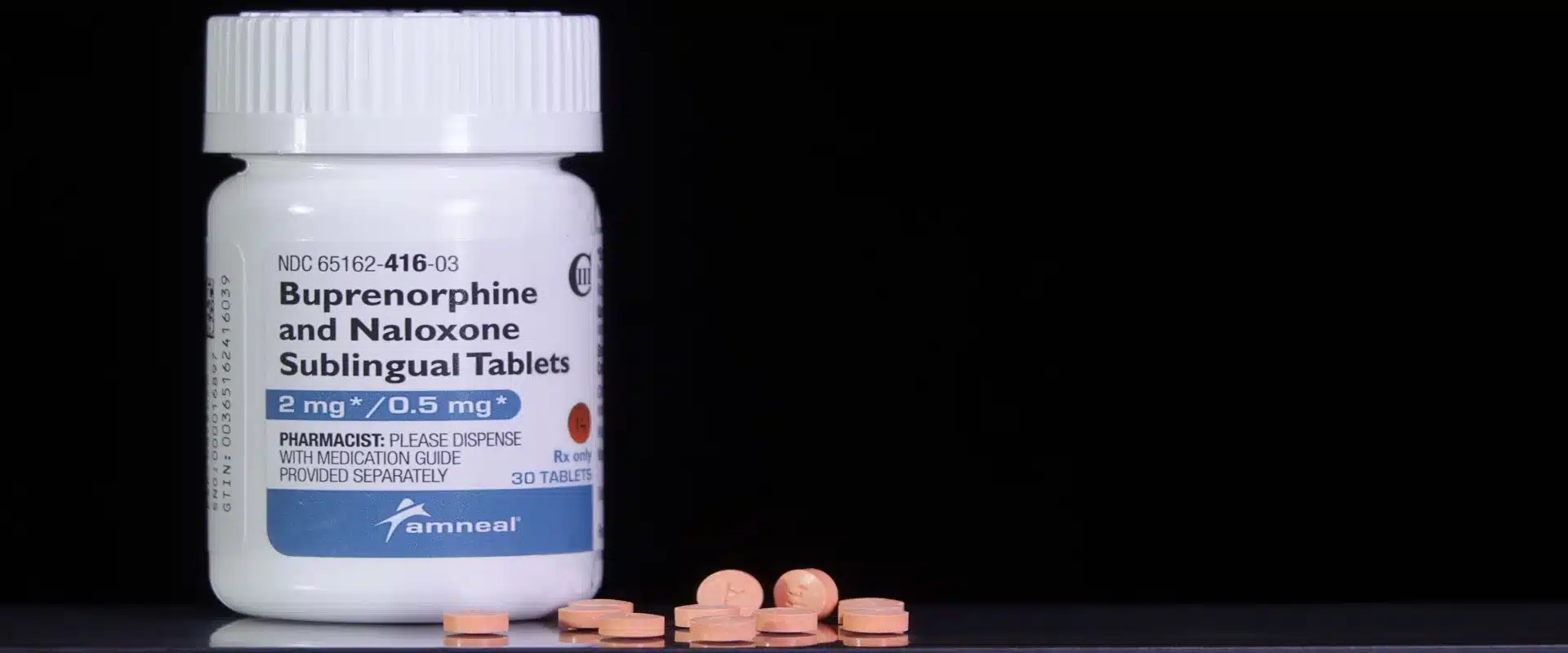
Sublingual buprenorphine is the most common way to start medication treatment for opioid use disorder (OUD). It comes as a film or tablet that dissolves under the tongue each day. Brand names include Suboxone, Subutex, Zubsolv, and several generic versions.
This medication carries full FDA approval for OUD and can start the same day as a first visit. At Solstice Health Wellness in Sarasota, Florida, Suboxone treatment is part of a comprehensive care plan that includes medical care, mental health support, and wellness services.
Learn more about Solstice Health & Wellness Addiction Treatment & Recovery Care.
Myth: “Medication is the easy way out, real recovery means going cold turkey.”
Fact: Stopping opioids without medication leads to high relapse rates and increased overdose risk. Buprenorphine allows the brain to heal while reducing cravings, giving people the stability to rebuild their lives.
What is Sublingual Buprenorphine?
Sublingual buprenorphine is a partial opioid agonist, a medication that activates opioid receptors in the brain at a controlled level. It reduces cravings and withdrawal symptoms without producing the intense high of full opioid agonists like fentanyl or heroin. Most formulations (such as Suboxone) contain both buprenorphine and naloxone. It falls under Schedule III controlled substance classification.
Sublingual Formulations Available
Several sublingual buprenorphine products are currently available:
- Suboxone: Buprenorphine/naloxone film — the most commonly prescribed form, available as brand and generic
- Subutex: Buprenorphine-only tablet — contains no naloxone and is often used during pregnancy
- Zubsolv: Buprenorphine/naloxone tablet — uses different dosing than Suboxone (5.7 mg Zubsolv equals approximately 8 mg Suboxone)
- Generic buprenorphine/naloxone: Available as both film and tablet, containing the same active ingredients as brand-name products
Film and tablet forms work equally well. Therefore, the choice often comes down to personal preference and cost.
Learn more about how buprenorphine works →
Myth: “The naloxone in Suboxone causes precipitated withdrawal when you start treatment.”
Fact: When taken under the tongue as directed, naloxone absorbs poorly and remains inactive. Precipitated withdrawal actually occurs because buprenorphine itself, not naloxone rapidly displaces other opioids from brain receptors.
How Does Suboxone Work?
When placed under the tongue, the film or tablet dissolves and buprenorphine absorbs through the lining of the mouth directly into the bloodstream. Once absorbed, it partially activates opioid receptors in the brain.
Because it is a partial agonist, it has a built-in ceiling effect, meaning it reduces cravings and withdrawal without producing the dangerous high or breathing problems that full opioid agonists cause.
Most formulations also contain naloxone. Manufacturers add naloxone to discourage misuse. When taken under the tongue as directed, naloxone absorbs poorly and stays inactive. However, if someone injects the medication, naloxone activates and can trigger withdrawal, which deters misuse.

Myth: “The naloxone in Suboxone causes precipitated withdrawal when you start treatment.”
Fact: Naloxone absorbs poorly under the tongue and stays inactive when taken as directed. Precipitated withdrawal happens when buprenorphine displaces full opioid agonists from receptors too quickly, not because of the naloxone component.
Who is a Good Candidate for Sublingual Buprenorphine?
Sublingual buprenorphine may be right for people who:
- Are starting buprenorphine treatment for the first time
- Prefer taking medication daily at home
- Want the flexibility to adjust doses quickly
- Are comfortable with a daily routine
- Want the most affordable buprenorphine option
- Need to start treatment right away, same-day start is available
In addition, sublingual buprenorphine serves as the starting point for patients who plan to transition to a monthly or weekly injection later.
Who Should Not Take It?
Certain individuals should avoid sublingual buprenorphine. These include people currently intoxicated on opioids (because of precipitated withdrawal risk), people with severe liver disease, and people with a known allergy to buprenorphine or naloxone. Furthermore, patients taking full opioid agonists must wait until they are in mild to moderate withdrawal before starting.
Looking for less frequent dosing? Learn about Sublocade monthly injection →
How Effective is Sublingual Buprenorphine?
Sublingual buprenorphine is highly effective for opioid use disorder. It reduces the risk of overdose death by approximately 50 percent or more. Treatment retention at 12 months reaches about 43 percent, significantly higher than treatment without medication.
What Do the Studies Show?
Even patients who do not achieve complete abstinence typically reduce their opioid use from nearly every day to fewer than two days per week. Effectiveness depends on taking an adequate dose and staying in treatment long enough. In fact, research consistently shows that longer treatment leads to better outcomes.
When compared head-to-head with extended-release naltrexone (Vivitrol) in the X: BOT trial, buprenorphine-naloxone showed a significant advantage in treatment initiation; 94 percent of patients successfully started buprenorphine, compared with only 72 percent for naltrexone. Once both medications were successfully started, however, relapse prevention outcomes were similar.
How Does Sublingual Buprenorphine Compare to Other Treatments?
Several FDA-approved medications treat opioid use disorder. The right choice depends on individual needs, treatment history, and clinical goals. Therefore, providers and patients should make this decision together.
Sublingual Buprenorphine vs. Sublocade
Both contain buprenorphine, but they differ in how patients take them. Sublingual buprenorphine dissolves under the tongue daily at home. Sublocade, on the other hand, is a monthly injection that a provider gives in the clinic. Sublingual buprenorphine offers same-day start, flexible dosing, and home administration. However, Sublocade removes daily dosing entirely and provides steadier blood levels.
Sublingual Buprenorphine vs. Brixadi
Brixadi comes in both weekly and monthly injectable forms. It offers more dosing flexibility than Sublocade while still removing daily medication. Patients typically start on sublingual buprenorphine before transitioning to Brixadi.
Sublingual Buprenorphine vs. Vivitrol
These medications work through entirely different mechanisms. Buprenorphine partially activates opioid receptors, while Vivitrol fully blocks them. Vivitrol requires 7 to 10 days of complete opioid detox before starting, a major barrier that prevents many patients from beginning treatment. Buprenorphine, by contrast, can start while patients are still in withdrawal.
Sublingual Buprenorphine vs. Methadone
Methadone is a full opioid agonist that requires daily visits to a licensed opioid treatment program (OTP). Sublingual buprenorphine, in contrast, can be prescribed in an office setting and taken at home. As a result, it offers more flexibility and privacy. However, methadone may work better for some patients who do not respond to buprenorphine.
Benefits of Suboxone Treatment
- Same-Day Start: Treatment can begin at the first visit. There is no waiting period for insurance coordination or medication delivery.
- Home Administration: Patients take their medication at home each day. No daily clinic visits are needed.
- Flexible Dosing: Providers can increase or decrease the dose quickly based on how the patient responds. As a result, dose adjustments happen in real time.
- Daily Control: Some patients prefer the routine of daily dosing. It provides a sense of structure and engagement with their recovery.
- Portability: Patients can travel with their medication. Unlike injectable forms, sublingual buprenorphine does not require a clinic visit for administration.
- Affordable: Generic options are widely available. Many patients pay as little as $20 to $50 per month for generic tablets.
Myth: “Daily dosing is a burden that controls your life.”
Fact: Most patients find it easy to incorporate into their morning routine, similar to brushing their teeth. Taking medication daily also keeps patients connected to their recovery.
Risks and Side Effects of Sublingual Buprenorphine
Common side effects include constipation, headache, nausea, sweating, insomnia or drowsiness, and numbness or bad taste in the mouth from the dissolving film or tablet.
Serious Risks
Serious risks include the following:
- Breathing problems: Life-threatening breathing problems can occur, particularly when patients combine buprenorphine with benzodiazepines, alcohol, or other sedating drugs.
- Liver effects: Buprenorphine can affect liver function. Therefore, providers should monitor liver function tests before and during treatment.
- Precipitated withdrawal: This can happen if buprenorphine is taken too soon after using opioids. Patients must be in mild to moderate withdrawal before their first dose.
- Newborn withdrawal: Babies born to mothers who took buprenorphine during pregnancy may experience withdrawal symptoms after birth.
- Dental problems: Cavities, tooth decay, enamel erosion, and tooth loss have occurred, even in patients with no prior dental issues. The FDA issued a formal warning in 2022.
How to Manage Side Effects
Most side effects improve within the first one to two weeks of treatment. Here are practical strategies:
- Constipation: Use stool softeners, eat fiber, and drink plenty of water.
- Headache: Over-the-counter pain relievers can help. Usually, this resolves within the first few weeks.
- Nausea: Taking medication with food may help. Meanwhile, eating small, frequent meals can reduce symptoms.
- Bad taste: Rinsing the mouth after the film or tablet dissolves can help. Some patients prefer tablets, which have a different taste.
When to Contact the Office
Call your provider right away if you experience difficulty breathing, severe drowsiness or confusion, yellowing of skin or eyes, or any unusual symptoms.
Precautions and Safety
Patients should tell their provider about all medications they take, because drug interactions can occur. Several important precautions apply:
- Benzodiazepines and alcohol: Avoid these while on buprenorphine because combining them increases the risk of overdose and death.
- Liver disease: Providers should use buprenorphine with caution and also monitor liver function tests before and during treatment.
- Pregnancy: Buprenorphine without naloxone (Subutex) is the preferred OUD medication during pregnancy. Discuss options with your provider.
- Driving: Buprenorphine may cause drowsiness at first. Use caution until you know how it affects you.
- Safe storage: Keep medication in a secure place, away from children. Do not share it with others. Accidental exposure in children can cause serious harm or death.
- Naloxone access: All patients should have naloxone (Narcan) available for overdose reversal.
- Dental health: Rinse your mouth with water after each dose and wait at least one hour before brushing. Schedule dental checkups every six months and tell your dentist you take sublingual buprenorphine. Patients at higher risk for cavities may benefit from prescription fluoride toothpaste.
Myth: “Suboxone ruins your teeth, so it’s not worth taking.”
Fact: The FDA has reported dental problems with sublingual buprenorphine, including in people with no prior dental issues. However, simple steps such as rinsing with water after each dose, waiting one hour before brushing, using prescription fluoride toothpaste, and keeping regular dental visits can lower this risk significantly.
How is Sublingual Buprenorphine Dosed?
Starting Treatment (Initiation)
Treatment begins when the patient is in mild to moderate opioid withdrawal. The first dose is typically 2 to 4 mg. Additional doses may follow on day one as needed, up to a total of 8 to 16 mg. Over the first week, the provider increases the dose until cravings and withdrawal are well controlled.
Maintenance Dosing
Most patients stabilize at 8 to 24 mg per day. The most common maintenance dose is 16 mg daily. The provider adjusts the dose based on how the patient responds.
How to Take It
- Place the film or tablet under the tongue or inside the cheek
- Let it dissolve completely. Time varies from 10 to 30 minutes
- Do not chew, swallow, or talk while it dissolves
- Avoid eating or drinking for 15 minutes after
- After the film or tablet fully dissolves, gently rinse your mouth with water, swish around your teeth and gums, and swallow
- Wait at least one hour before brushing your teeth; brushing too soon can damage softened enamel
- Tell your dentist that you take sublingual buprenorphine
- Schedule dental checkups every six months or more often if recommended
- Take it at the same time each day for the best results
- Store at room temperature and keep away from children and pets
Myth: “If I accidentally swallow the film, I need to take another dose.”
Fact: Swallowed buprenorphine absorbs poorly through the stomach. However, do not take an extra dose. Instead, contact your provider for guidance. Taking it correctly under the tongue ensures the best absorption.
What to Expect After Starting
During the First Week
Withdrawal symptoms should improve within 30 to 60 minutes of the first dose. You may need dose adjustments during this time, so contact your provider if cravings continue. Common early side effects include headache, nausea, sweating, and constipation. Your provider may schedule daily check-ins or visits during this period.
During the First Month
By this point, your dose should be stable, and cravings should be significantly reduced. Side effects typically improve or go away entirely. Visit frequency decreases as you become more stable. Meanwhile, the focus shifts to counseling, recovery support, and addressing other health needs.
How Long is Sublingual Buprenorphine Treatment?
Opioid use disorder is a chronic medical condition, like diabetes or high blood pressure. Therefore, long-term treatment reduces the risk of relapse and overdose. Most guidelines recommend at least 12 months of treatment, and often longer. In fact, research consistently shows that patients who stay in treatment longer have significantly better outcomes.
Your provider will work with you to determine the right timeline based on your progress and goals. Ultimately, treatment duration should always match individual needs.
Myth: “I have to take this medication forever.”
Fact: Treatment duration is individualized. Many patients eventually taper successfully when the time is right. However, stopping too early is one of the most common reasons for relapse, so the decision should always involve your provider.
Stopping or Transitioning Suboxone Treatment
Tapering off sublingual buprenorphine: If you and your provider decide to stop, the dose decreases gradually over weeks to months. Stopping suddenly can cause withdrawal symptoms. Your provider will guide the tapering process based on your stability and readiness.
Transitioning to an injectable: Once you are stable on sublingual buprenorphine, you may choose to transition to a long-acting injection for convenience and steady blood levels.
- Sublocade (monthly): Requires at least one dose of sublingual buprenorphine to confirm tolerability before the first injection.
- Brixadi (weekly or monthly): Offers more dose options and dosing frequency choices.
Benefits of transitioning to an injectable include no daily dosing, steadier blood levels, and reduced risk of diversion.
For Clinicians: Key Prescribing Considerations
Sublingual buprenorphine is a Schedule III controlled substance. The X-waiver requirement was eliminated in January 2023, so any provider with a standard DEA license can now prescribe buprenorphine for OUD.
Initiation Considerations
Standard initiation begins at 2–4 mg when the patient reaches a COWS score of 8–12 (mild to moderate withdrawal). Providers may give additional 2–4 mg doses every 1–2 hours on day one, up to 16 mg total. Target dose of 16 mg daily should be reached within the first week when possible, as underdosing is a common cause of treatment failure and dropout.
For patients using fentanyl, consider low-dose (micro-dosing) induction protocols. Fentanyl’s lipophilicity and prolonged tissue redistribution can make traditional induction challenging. ASAM Clinical Considerations recommend flexibility in the initiation approach for patients using high-potency synthetic opioids.
Pharmacokinetic Considerations
Sublingual buprenorphine has approximately 30% bioavailability via the sublingual route. Peak plasma levels occur at 1–2 hours. The elimination half-life is 24–42 hours, supporting once-daily dosing. Some patients benefit from split dosing (BID) for better symptom control throughout the day.
Dose Optimization
Underdosing remains the most common prescribing error. Patients on doses below 16 mg daily have higher dropout rates. The therapeutic range is 8–24 mg daily, with most patients stabilizing at 16 mg. Doses above 24 mg provide minimal additional receptor occupancy.
Hepatic Monitoring
Monitor liver function tests at baseline and periodically during treatment. Buprenorphine can cause hepatic enzyme elevations, particularly at higher doses. Use with caution in patients with moderate hepatic impairment. Buprenorphine is contraindicated in severe hepatic impairment.
Pregnancy
Buprenorphine monotherapy (without naloxone) has historically been preferred during pregnancy. However, emerging evidence and current ASAM guidance support the use of buprenorphine/naloxone combination products during pregnancy when clinically appropriate, as sublingual naloxone has minimal systemic absorption.
Drug Interactions
Concurrent use with benzodiazepines, other CNS depressants, or alcohol increases the risk of respiratory depression and death. If co-prescribing is necessary, use the lowest effective doses and monitor closely. CYP3A4 inhibitors (e.g., ketoconazole, HIV protease inhibitors) can increase buprenorphine levels. CYP3A4 inducers (e.g., rifampin, carbamazepine) can decrease levels.
Dental monitoring
Counsel all patients on oral hygiene strategies per FDA warning. Recommend rinsing after each dose, delaying brushing by one hour, and prescribing fluoride supplements (prescription-strength fluoride toothpaste or fluoride rinse) for patients at elevated caries risk.
A pharmacovigilance analysis found that sublingual/buccal buprenorphine was associated with a 15-fold higher reporting rate of dental problems compared to other buprenorphine formulations and a 6-fold higher rate compared to methadone.
Naloxone Co-Prescribing
Prescribe naloxone to all patients receiving buprenorphine for OUD. Patients remain at risk for relapse and overdose, particularly during early treatment and transitions.
Referral and Coordination
Contact our team directly at 941-330-9797 for referrals. We coordinate care with referring providers and typically schedule new patients within one week.
Is Sublingual Buprenorphine Right for Me?
Consider these questions when deciding:
- Am I starting treatment for the first time, or have I tried other medications before?
- Do I prefer taking medication daily at home, or would I rather have monthly injections?
- Do I want the flexibility to adjust my dose quickly?
- What fits best with my work, family, and lifestyle?
Sublingual buprenorphine may be a good choice if you are starting treatment, want daily control over your medication, prefer taking it at home, or need the flexibility of easy dose adjustments. On the other hand, consider injectable options if you struggle with daily adherence, want less frequent dosing, or are stable and ready for a monthly injection.
Your provider will help you decide through shared decision-making.
Seeking help takes courage, and you do not need to be opioid-free to start treatment. If opioid use is affecting your ability to work, maintain relationships, or get through the day, effective treatment is available. Same-day start means you can begin medication at your first visit. If you are in crisis right now, call or text 988 to reach the Suicide and Crisis Lifeline at any time.
Suboxone Treatment at Solstice Health & Wellness
Our Program
At Solstice Health Wellness, we provide sublingual buprenorphine as part of a comprehensive outpatient treatment program. Every patient receives an individualized plan that combines medication management with behavioral health support and ongoing medical care. Serving Sarasota, Bradenton, Lakewood Ranch, Venice, North Port, and the surrounding Gulf Coast.
Our integrated model includes:
- Same-day medication start available at the first visit
- Medication management with ongoing dose optimization
- Counseling and behavioral support
- Drug screening used as a clinical tool, not punishment
- Co-occurring mental health disorder treatment (anxiety, depression, PTSD)
- Primary care, preventive care, lab work, and wellness services
- Telehealth visits for ease of accessibility
- A respectful, stigma-free clinical environment focused on long-term recovery
Cost and Insurance
Solstice Health Wellness operates on a direct primary care (DPC) model. For an affordable monthly fee, you receive comprehensive integrated care, including primary care, mental health, addiction medicine, preventive care, and telehealth visits.
You can still use insurance for lab testing, imaging, prescription medications, and any services needed off-site. DPC is not health insurance and does not replace health insurance.
Generic sublingual buprenorphine is widely available and affordable, as low as $20 to $50 per month for generic tablets. Most insurance plans also cover brand-name Suboxone. Patient assistance programs are available for those without insurance.
What to Expect: Getting Started
- Schedule a confidential evaluation
- Complete a comprehensive evaluation: This includes a full medical history, substance use assessment, and screening for co-occurring mental health conditions
- Obtain baseline labs: Your provider orders laboratory testing to assess your overall health status
- Begin sublingual buprenorphine: Your provider starts medication per your individualized initiation protocol; same-day start is available
What to Bring to Your First Visit
- Valid ID
- Insurance card (for prescriptions and labs)
- List of current medications
- Medical records if available
Frequently Asked Questions About Suboxone Treatment
1. Film or tablet — which is better?
Both work equally well. Films dissolve faster and are thinner. Tablets may have a different taste. It comes down to personal preference.
2. Can I eat or drink after taking it?
Wait at least 15 minutes after the film or tablet has fully dissolved before eating or drinking.
3. What if I accidentally swallow it?
Swallowed buprenorphine absorbs much less effectively. Try to let it dissolve completely. If you swallow it, do not take an extra dose; instead, contact your provider.
4. How long does it take to dissolve?
Films typically dissolve in 5 to 10 minutes. Tablets may take longer. Do not chew or swallow during this time.
5. Can I split my dose?
Yes. Some patients take buprenorphine in two doses (morning and evening), especially early on to improve symptom control. However, once stable, once-daily dosing is often preferred to reduce routine patterns associated with prior substance use. Discuss what’s best for you with your provider.
6. What if I miss a dose?
Take it as soon as you remember. If it is close to your next dose, skip the missed one. Do not double up. Contact your provider if you miss multiple doses.
7. Can I switch from Suboxone to generic?
Yes. Generic buprenorphine/naloxone contains the same active ingredients. Most patients switch without any issues.
8. When can I switch to a monthly injection?
Once you are stable on sublingual buprenorphine, you may be eligible for Sublocade or Brixadi. Ask your provider about the right timing.
9. Is sublingual buprenorphine addictive?
Buprenorphine can cause physical dependence, which means withdrawal symptoms may occur if you stop suddenly. However, physical dependence is not the same as addiction. When taken as prescribed for OUD, buprenorphine stabilizes brain chemistry and supports recovery.
10. Can I work and drive while taking it?
Most patients work and drive normally while on buprenorphine. However, it may cause drowsiness at first. Use caution until you know how it affects you.
11. What happens if I relapse while on buprenorphine?
Returning to use does not mean failure. Contact your provider right away so your treatment plan can be adjusted. Because buprenorphine partially blocks opioid receptors, it provides some protection against overdose. Always keep naloxone available.
12. Does insurance cover sublingual buprenorphine?
Most insurance plans cover the buprenorphine prescription itself. Generic options are also very affordable without insurance.
13. Can sublingual buprenorphine cause dental problems?
Yes. The FDA warns that sublingual and buccal buprenorphine products can cause cavities, tooth decay, and even tooth loss, including in people with no prior dental history. To lower this risk, rinse your mouth with water after each dose, wait at least one hour before brushing, and keep regular dental appointments. Transitioning to an injectable form like Sublocade or Brixadi eliminates oral exposure entirely.
Medically Reviewed By
Frank Melo, MD
Board Certified Addiction Medicine and Family Medicine
Medical Director, Solstice Health & Wellness
Last Updated: April 2026
References
- Harris MTH, Weinstein ZM, Walley AY. Medications for Opioid Use Disorder, Opioid Withdrawal, and Opioid Overdose: A Review. JAMA. 2026.
- Walter K. Medications to Treat Opioid Use Disorder. JAMA. 2026.
- U.S. Food and Drug Administration. Buprenorphine/naloxone sublingual film (Suboxone) prescribing information. 2025.
- U.S. Food and Drug Administration. Buprenorphine hydrochloride sublingual tablet prescribing information. 2026.
- Lee JD, Nunes EV, Novo P, et al. Comparative Effectiveness of Extended-Release Naltrexone Versus Buprenorphine-Naloxone for Opioid Relapse Prevention (X:BOT). The Lancet. 2018.
- Tiemstra JD. Common Questions About Buprenorphine Treatment for Opioid Use Disorder. American Family Physician. 2025.
- Weimer MB, Herring AA, Kawasaki SS, et al. ASAM Clinical Considerations: Buprenorphine Treatment of Opioid Use Disorder for Individuals Using High-Potency Synthetic Opioids. Journal of Addiction Medicine. 2023.
- Crotty K, Freedman KI, Kampman KM. Executive Summary of the Focused Update of the ASAM National Practice Guideline for the Treatment of Opioid Use Disorder. Journal of Addiction Medicine. 2020.
- Schuckit MA. Treatment of Opioid-Use Disorders. New England Journal of Medicine. 2016.
- Perry C, Liberto J, Milliken C, et al. The Management of Substance Use Disorders: Synopsis of the 2021 U.S. Department of Veterans Affairs and U.S. Department of Defense Clinical Practice Guideline. Annals of Internal Medicine. 2022.
Medical Disclaimer: The information provided on this page is for educational purposes only and is not a substitute for professional medical advice, diagnosis, or treatment. Always seek the advice of a qualified healthcare provider with any questions you may have regarding a medical condition.