Lifestyle Medicine & Wellness Care

Restore Energy, Sleep, and Brain Function in Recovery
At Solstice Health & Wellness Sarasota, Lifestyle Medicine & Wellness Care is a structured part of our addiction treatment model. It helps patients restore energy, improve sleep, support brain function, and rebuild daily stability after substance use.
Substance use can disrupt sleep, metabolism, mood, hormones, and stress regulation. Over time, these changes may contribute to fatigue, brain fog, weight changes, low motivation, and feeling physically or mentally “off” even after sobriety.
Recovery is not only about stopping substance use. It is about restoring how the body and brain function.
Call or connect with us to start your personalized recovery and wellness plan today.
Common Symptoms We Address in Recovery
Many patients in early recovery come to us with symptoms that affect daily life and long-term stability.
Common concerns include:
-
Chronic fatigue
-
Brain fog or poor concentration
-
Poor or disrupted sleep
-
Stress, anxiety, or emotional instability
-
Low motivation or difficulty maintaining routines
-
Weight or metabolic changes
-
Hormonal or energy-related symptoms
-
Feeling physically or mentally “off” despite sobriety
These symptoms are common in recovery and often reflect underlying physiologic disruption that can be addressed with structured care.
A Structured Part of Your Treatment Plan
Lifestyle Medicine & Wellness Care is not optional support. It is built into the treatment plan as a coordinated part of recovery care.
This service is designed to help patients move from instability to structure. It supports recovery by addressing the habits and body systems most affected by substance use. Care is delivered through a defined, step-by-step process aligned with your stage of recovery.
Because it is integrated into care, lifestyle changes are reinforced across visits and coordinated with addiction, medical, and behavioral health services.
Foundations of Recovery Health
During active addiction and early recovery, daily routines often shift significantly. Sleep cycles may become irregular, meals become inconsistent, and physical activity declines as stress builds.
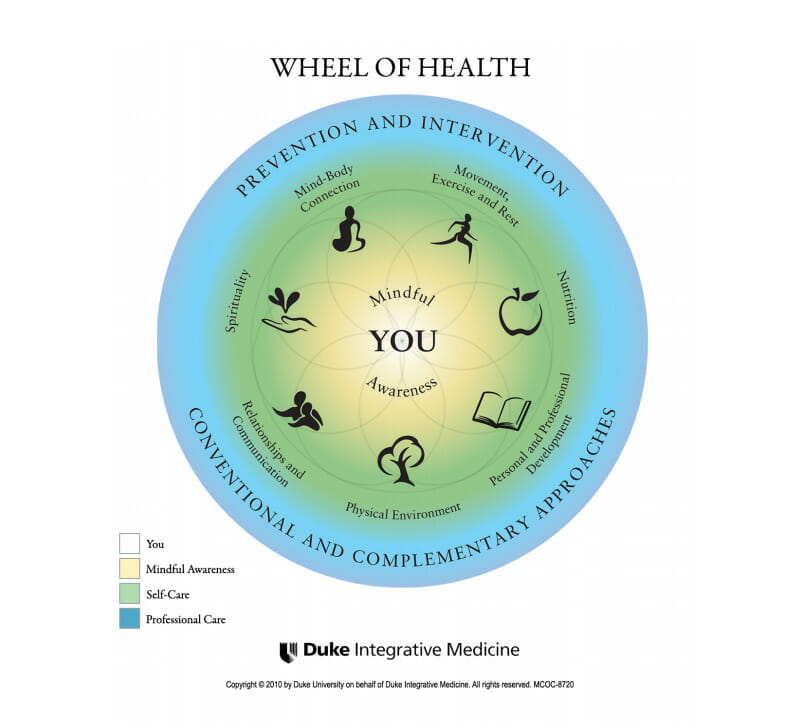
Preventive lifestyle care helps restore balance through:
-
Sleep optimization
-
Nutrition support
-
Movement and physical activity
-
Stress management
-
Daily routine and structure
-
Healthy hydration
-
Social support and healthy connection
These areas help restore physiologic balance disrupted by substance use, support brain recovery, and improve energy, mood, focus, and resilience.
Addressing these concerns early may help reduce the risk of longer-term conditions such as hypertension, diabetes, and persistent mood problems.
Health Coaching & Prevention
Preventive lifestyle medicine begins with a structured assessment. From there, coaching creates realistic steps based on your goals, symptoms, and stage of recovery.
Health coaching may include:
-
Sleep improvement planning
-
Personalized nutrition guidance
-
Stress reduction strategies
-
Physical activity recommendations
-
Identifying barriers to change
-
Building realistic routines
-
Tracking changes in energy, sleep, and mood
Behavior change is personal and ongoing, and health coaching provides accountability and support that help new habits last.
Evidence suggests structured lifestyle support can improve recovery outcomes, though study sizes remain modest and the evidence base is still developing.
Harm Reduction Care
Harm reduction is part of integrated recovery care. It helps lower immediate health risks while patients work toward stability.
Services may include:
-
Overdose prevention education
-
Fentanyl test strip education
-
HIV and hepatitis C screening
-
STI screening
-
Safer-use and risk-reduction counseling
This approach is about protection, dignity, and practical support.
Connect with us to learn how we support safety and recovery together.
Integrated Lifestyle Medicine Services
Solstice Health & Wellness delivers lifestyle medicine through a fully integrated care model. That means lifestyle support is connected with substance use treatment, medical care, and behavioral health care.
Our approach supports:
-
Sleep
-
Nutrition
-
Stress
-
Energy
-
Structure
-
Recovery stability
Lifestyle medicine is built into our core services:
Because these services are connected, lifestyle changes are reinforced across visits. That reduces fragmentation and supports steady progress.
Core Focus Areas
These are the daily patterns that most affect recovery and overall health:
-
Nutrition for recovery
-
Sleep optimization
-
Stress resilience and coping
-
Movement and energy rebuilding
-
Hydration and physiologic recovery
-
Daily routine and structure
-
Social support and healthy connection
Combining lifestyle medicine with addiction treatment may support engagement, recovery stability, and longer-term wellness.
Longevity and Performance in Recovery
Longevity and performance are part of recovery, not separate from it.
As patients stabilize, care shifts from managing symptoms to restoring function and improving long-term health, daily performance, and quality of life. Many patients continue to experience residual effects of substance use, including low energy, cognitive slowing, sleep disruption, metabolic changes, and reduced physical resilience.
Lifestyle Medicine & Wellness Care builds on the foundations of sleep, nutrition, physical activity, social connection, and stress management to address these ongoing challenges and support continued recovery.
Areas of focus may include:
-
Brain health and cognitive recovery, including attention, memory, and mental clarity
-
Energy and fatigue optimization related to sleep, stress, and metabolic recovery
-
Hormone health and metabolic function, especially when clinically relevant in opioid-related recovery
-
Physical conditioning and resilience to rebuild strength, endurance, and daily function
-
Weight stability and body composition changes during recovery
-
Chronic disease risk reduction, including cardiometabolic health
-
Healthy aging and long-term physiologic function
The goal is not simply to avoid relapse. It is to help patients regain full function, think more clearly, feel better physically, and maintain long-term physical, cognitive, and emotional health.
These services are integrated into addiction treatment and adjusted based on each patient’s stage of recovery, clinical needs, and long-term goals.
What to Expect
Care begins with a structured lifestyle assessment and evolves with recovery progress.
You can expect:
-
An initial assessment as part of intake
-
Coaching focused on specific concerns
-
Progress tracking tied to recovery milestones
-
Coordination with medications when appropriate
-
Family education when helpful
Whether you are improving sleep, stabilizing energy, or rebuilding routine, care is designed to be practical and personalized.
This is not general wellness care. It is structured medical support built into your recovery.
Call 941-330-9797 or connect with us to schedule your integrated lifestyle medicine consultation today.
Frequently Asked Questions
Medically Reviewed By
Frank Melo, MD
Board Certified Addiction Medicine and Family Medicine
Medical Director, Solstice Health & Wellness
Last Updated: June 2026
References
- Jeste DV, Lieberman JA, Fassler D, et al. Diagnostic and Statistical Manual of Mental Disorders (DSM-5-TR). American Psychiatric Association; 2022.
- Oliva HNP, Paiva Prudente T, Paredes Naveda AM, et al. Sleep Alterations in Substance Use Disorders: A Systematic Review and Meta-Analysis. EClinicalMedicine. 2026.
- Parkinson MD, Stout R, Dysinger W. Lifestyle Medicine: Prevention, Treatment, and Reversal of Disease. Medical Clinics of North America. 2023.
- Nock NL, Stoutenberg M, Cook DB, et al. Exercise as Medicine for People With a Substance Use Disorder: An ACSM Call to Action Statement. American College of Sports Medicine. 2024.
- Li H, Gao X. Network Meta-Analysis of Non-Pharmacological Interventions for Psychiatric Symptoms Among Individuals With Substance Use Disorders. Journal of Addictive Diseases. 2026.
- Zheng Y, Zhao Y, Chen X, Li S. Effect of Physical Exercise on the Emotional and Cognitive Levels of Patients With Substance Use Disorder: A Meta-Analysis. Frontiers in Psychology. 2023.
- de Vries F, Bruin M, Lobatto DJ, et al. Opioids and Their Endocrine Effects: A Systematic Review and Meta-Analysis. Journal of Clinical Endocrinology and Metabolism. 2020.
- ASAM/AAAP Clinical Practice Guideline on the Management of Stimulant Use Disorder. Journal of Addiction Medicine. 2024.
- Core Competencies for Use of Collaborative Care in the Treatment of Substance Use Disorders. American Academy of Addiction Psychiatry / American Society of Addiction Medicine. 2024.
- Schulte MH, Cousijn J, den Uyl TE, et al. Recovery of Neurocognitive Functions Following Sustained Abstinence After Substance Dependence and Implications for Treatment. Clinical Psychology Review. 2014.
Medical Disclaimer: The information provided on this page is for educational purposes only and is not a substitute for professional medical advice, diagnosis, or treatment. Always seek the advice of a qualified healthcare provider with any questions you may have regarding a medical condition.