
Xylazine Addiction Treatment in Sarasota, FL

Understanding Xylazine Exposure, Risks, & Treatment
Xylazine addiction treatment in Sarasota, Florida, is becoming increasingly urgent as xylazine (“tranq”) spreads throughout the illicit drug supply. Nationally, xylazine-involved overdose deaths rose from 102 in 2018 to more than 3,400 in 2021. During that same period, DEA laboratory reports increased from 9,330 in 2021 to over 25,000 by 2024, confirming rapid expansion across U.S. drug markets.
Xylazine is most commonly found mixed with fentanyl and heroin. However, it is now also detected alongside benzodiazepines, cocaine, and methamphetamine. Because it is rarely disclosed in the supply, many individuals are exposed unknowingly.
Xylazine is a non opioid veterinary sedative. When combined with opioids, benzodiazepines, or other central nervous system depressants, it can increase respiratory depression, hypotension, bradycardia, prolonged sedation, and overall overdose complexity.
Importantly, naloxone reverses opioid effects but does not reverse xylazine’s sedative properties. As a result, overdose management may require airway and cardiovascular support in addition to opioid reversal.
Clinically, xylazine exposure has been associated with:
- Deep or prolonged sedation
- Severe skin ulcers and tissue injury
- Overlapping opioid and xylazine withdrawal
- Recurrent non-fatal overdose
Because xylazine exposure typically occurs alongside opioid use disorder and polysubstance use, effective treatment requires integrated addiction medicine, wound evaluation, and medical stabilization.
Solstice Health & Wellness in Sarasota, Florida, sees the local impact firsthand. We provide outpatient xylazine addiction treatment that addresses both substance use and its medical complications.
If you are searching for xylazine addiction treatment in Sarasota, Florida, confidential assessment and coordinated care are available. Call or connect with us today.
What Is Xylazine?
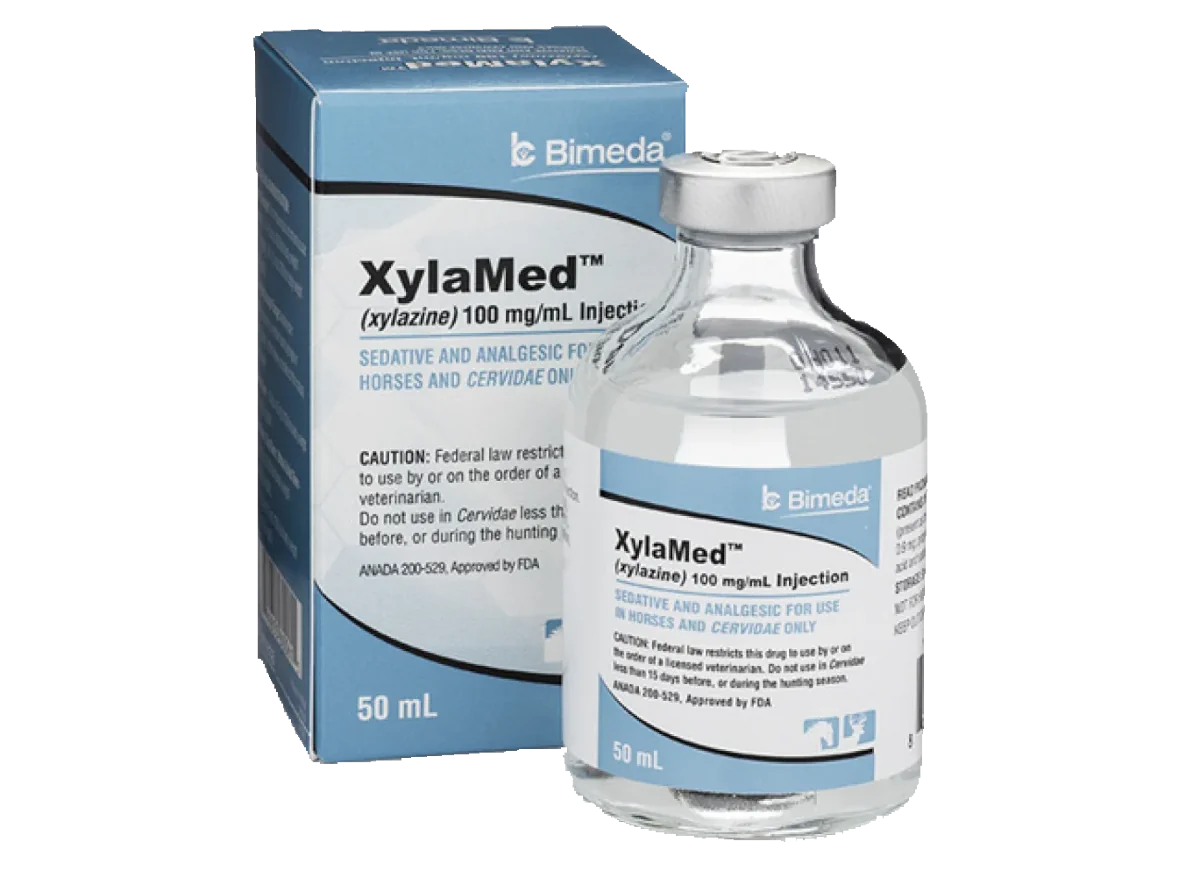
Xylazine is a non-opioid veterinary drug developed in 1962 as a sedative, painkiller, and muscle relaxant. It acts on alpha-2 adrenergic receptors in the brain and spinal cord. Because it is FDA-approved only for animal use and is not a controlled substance, it is cheap and easy to obtain illegally.
Xylazine first appeared as a drug contaminant in heroin supplies in Puerto Rico in the early 2000s. It later spread to the US, predominantly Philadelphia by the late 2010s, and is now found nationwide in mixtures containing fentanyl, heroin, cocaine, methamphetamine, and benzodiazepines.
On the street, xylazine is called “tranq” or “tranq dope” when mixed with fentanyl or heroin. People smoke, inject, snort, or ingest it, most often unknowingly. Its sedative effects are more intense and longer-lasting than many other central nervous system depressants, which has driven its use and increased overdoses.
More recently, a closely related substance, medetomidine, has appeared in the fentanyl supply with increasing frequency. Like xylazine, medetomidine is an alpha-2 agonist veterinary sedative, but it is roughly 100 to 200 times more potent, raising serious concerns about overdose risk even at trace amounts.
Risk Factors for Xylazine Addiction
Because xylazine exposure usually happens through tainted opioids, the risk factors closely mirror those for opioid use disorder. For example, genetic vulnerability, early substance use, and a history of trauma increase risk.
In addition, co-occurring mental health conditions such as depression, anxiety, and post-traumatic stress disorder make xylazine dependence more likely. Environmental factors also play a role, including unstable housing, limited access to care, and social networks where substance use is common.
Why Is Xylazine Addictive?
Although xylazine is not classified as an opioid, it still contributes to physical dependence. Specifically, it reduces norepinephrine signaling in the brain. In other words, it slows alertness, lowers blood pressure, and disrupts normal stress regulation.
As a result, sedation becomes deeper and longer-lasting. When combined with opioids, these effects can intensify euphoria while also increasing overdose risk. Repeated xylazine exposure leads to tolerance, physical dependence, and xylazine use disorder, especially when combined with opioids.
Subsequently, people continue to use xylazine to avoid discomfort or withdrawal symptoms. Therefore, xylazine neurobiology and xylazine addiction causes are closely tied to its role in polysubstance use rather than isolated exposure.
Health Effects & Risks of Xylazine Use
Short Term Effects of Xylazine Use
- Deep sedation or prolonged “nodding out”
- Slow heart rate and low blood pressure
- Confusion, dizziness, and impaired thinking
- Reduced breathing when combined with opioids
Long Term Effects of Xylazine Use
- Severe skin wounds and tissue damage, sometimes far from injection sites
- Chronic infections requiring medical care
- Memory problems and reduced concentration
- Worsening mood and emotional instability
Risks of Xylazine Use
- Increased xylazine overdose risk
- Limited response to naloxone’s non opioid effects
- Risk of limb loss from xylazine tissue damage
- Vulnerability to assault during prolonged sedation

Signs & Symptoms of Xylazine Addiction
Xylazine addiction disrupts physical health, mood, cognition, and daily functioning. Symptoms often develop gradually as exposure becomes more frequent and harder to control.
Physical Signs
- Long periods of deep sedation or “nodding out”
- Xylazine skin wounds or tissue damage
- Wounds that worsen or fail to heal despite care
- Slow heart rate, fainting, and low blood pressure
- Injection marks, swelling, or pus pockets
- Major weight loss and poor nutrition
- Ongoing fatigue and muscle weakness
Psychological Symptoms
- Strong anxiety and restlessness when not using
- Low mood or feeling hopeless between doses
- Irritability and mood swings during withdrawal
- Trouble focusing or making choices
- Paranoia or heightened fear about the drug supply
- Emotional numbness / pulling away from loved ones
- Trouble falling asleep and disturbing dreams
Behavioral Signs
- Meant to use once, but kept using all day
- Unsuccessful attempts to stop using
- Hours lost to deep sedation or wound care
- Cravings or strong urges to use
- Continue using despite severe wounds or infections
- Stops going to work or family events to use instead
- Drives and swims soon after or during use
Do I Have a Xylazine Use Disorder?
If you are searching for this, you may already sense that something has changed.
Xylazine use disorder is often defined by continued use despite medical harm. For example, you may continue using despite worsening health, xylazine skin wounds, or increased overdose risk.
You may also find that cutting back feels harder than expected. In many cases, people are exposed without realizing xylazine is present.
Can a Self‑Test Help?
A Substance Use Self-Assessment can help you reflect on how substance use is affecting your daily life. However, it cannot diagnose xylazine addiction or assess medical risks such as wound severity or polysubstance exposure.
Speaking with a healthcare professional is the best next step. If you are in Sarasota or the surrounding areas, outpatient evaluation and treatment are available. Early intervention can improve stabilization, wound healing, and long‑term recovery outcomes.
Call 941‑330‑9797 or connect with us today to schedule a confidential assessment.
Xylazine Withdrawal Symptoms, Timeline, & Detox
Xylazine Withdrawal Symptoms
- Severe anxiety, irritability, and restlessness
- Trouble sleeping and disrupted sleep patterns
- Elevated heart rate and increased blood pressure
- Muscle stiffness and physical discomfort
- Sweating, tremors, and cravings
Withdrawal Timeline & Severity
Xylazine withdrawal symptoms may begin within hours of the last exposure. Typically, symptoms peak within 1 to 3 days. The acute phase can last up to one week. However, anxiety and sleep disruption may continue longer.
Severity depends on several factors, including duration of use and overall exposure. In many cases, opioid withdrawal occurs at the same time. As a result, symptoms overlap, and the detox process becomes more complex.
Xylazine Detox & Withdrawal Management
Outpatient treatment for xylazine medically supervised detox may be appropriate for stable individuals, while others may require a higher level of care. Treatment focuses on stabilizing vital signs and reducing withdrawal symptoms safely.
There are no FDA-approved medications specifically for xylazine medically supervised detox. However, clinical guidance supports the use of lofexidine or clonidine to manage withdrawal symptoms. Lofexidine is often preferred due to fewer blood pressure effects, while clonidine remains a widely used and accessible option.
When opioid withdrawal is also present, slow start buprenorphine dosing, known as microinitiation, can support stabilization and symptom control. In addition, gabapentin may help reduce anxiety, improve sleep, and ease physical discomfort during tranq withdrawal.
At the same time, wound management is essential, as ongoing xylazine skin wounds and infection require regular monitoring and medical care during detox and early recovery.
Xylazine Use Disorder Treatment
Treating tranq addiction requires more than stopping use. It also involves managing medical complications, including wounds, infections, and cardiovascular instability.
Therefore, effective treatment combines stabilization, wound care, medication management, and long-term recovery planning. In Sarasota, outpatient programs can provide this structured support while allowing patients to maintain daily responsibilities.
Levels of Care
The appropriate level of care depends on medical stability, wound severity, and withdrawal symptoms. Outpatient care is fitting for mild to moderate cases, while people with severe symptoms, wound problems, or heart instability may need a higher level of care.
Xylazine Addiction Medication
There are no medications approved specifically for long-term treatment of xylazine. However, buprenorphine or methadone may be used when opioids are involved to reduce cravings, prevent return to use, and support sustained recovery.
Lofexidine or clonidine and gabapentin used during the withdrawal phase may be continued as adjuncts if anxiety, sleep disruption, or blood pressure instability persists into early recovery.
Co-Occurring Health Conditions
Xylazine exposure often occurs alongside depression, anxiety, PTSD, and other substance use disorders. In addition, medical complications such as chronic wounds, skin infections, heart valve infections, and cardiovascular instability require medical oversight.
Therefore, the most effective approach addresses all of these co-occurring conditions together through coordinated medication, wound management, and surgical care when necessary.
Evidence-Based Behavioral Therapies
- Cognitive behavioral therapy helps spot triggers and build coping skills for cravings
- Motivational interviewing strengthens the drive to change and stay engaged in treatment
- Mindfulness-based relapse prevention supports emotional control and stress management
- Contingency management rewards positive behaviors, such as wound care follow-through and showing up for treatment
Psychosocial Supports and Harm Reduction
- Peer support and recovery coaching provide real-world guidance from people with lived experience
- Support groups such as 12-Step programs and SMART Recovery offer community and structure
- Supportive strategies such as nutrition, exercise, stress management, and recovery-focused lifestyle changes improve overall health and long-term recovery
- Education on safer use practices, access to clean supplies, and naloxone for overdose prevention help reduce immediate health risks and keep individuals engaged in care
Xylazine Addiction Treatment in Sarasota, FL
Outpatient xylazine treatment in Sarasota, Florida, allows individuals to maintain their daily commitments while receiving structured medical care. Because xylazine is now commonly detected in fentanyl, benzodiazepine, and stimulant‑contaminated drug supplies, clinical care must address sedation risk, wound complications, cardiovascular instability, and evolving withdrawal patterns.
At Solstice Health & Wellness, integrative addiction care includes:
- Addiction medicine
- Primary care
- Mental health services
- Lifestyle wellness
- Medication management
- Wound evaluation and coordination
- Harm reduction
This coordinated approach supports medical stabilization, monitoring of changes in blood pressure and heart rate, management of non‑healing skin ulcers, and treatment of co‑occurring psychiatric conditions. When opioids are involved, medications for opioid use disorder may be incorporated to reduce cravings and overdose risk.
We serve residents of Sarasota, Bradenton, Venice, and North Port across Florida’s Gulf Coast through in‑person and telehealth appointments.
If you are seeking xylazine addiction treatment in Sarasota, Florida, confidential outpatient evaluation and coordinated care are available.
Is It Time to Get Help for Xylazine Use?
If xylazine use is affecting your health, relationships, or sense of safety, it may be time for an evaluation. Importantly, early treatment can reduce overdose risk and improve wound healing.
Call or contact Solstice Health Wellness in Sarasota to schedule a confidential appointment.
Frequently Asked Questions About Xylazine Addiction
1. What are treatment options for xylazine addiction?
Treatment usually includes medications for co-occurring opioid use disorder, behavioral therapy, wound care, and peer support. Learn more about recovery levels on the Addiction Treatment page.
2. How long does xylazine detox take with outpatient care?
Outpatient xylazine detox in Florida generally spans 1 to 2 weeks for acute symptoms, though lingering symptoms may need longer support. Your care team adjusts the timeline to fit your needs.
3. What should I expect during xylazine withdrawal management?
You may feel anxiety, trouble sleeping, a fast heart rate, and jitteriness. However, your provider uses medications like clonidine to ease these symptoms safely. Visit the Addiction Treatment page for details.
4. Which level of care is right for my xylazine use?
The right recovery level in Sarasota depends on your medical stability, wound severity, and withdrawal strength. As a result, your provider will suggest the best fit during your first visit on the Addiction Treatment page.
5. How effective is xylazine addiction therapy at Solstice?
Solstice combines medication, evidence-based therapy, and blended primary care to address the full impact of xylazine exposure. Explore the approach further on the Mental Health Care page.
6. What relapse prevention support is available after xylazine treatment?
Ongoing outpatient care, peer support groups, naloxone access, and wellness coaching all help you stay on track. In addition, Solstice provides continued xylazine withdrawal management and long-term support.
7. Can xylazine wounds heal during outpatient treatment?
Yes, with steady wound care, infection treatment, and less substance exposure, many wounds improve greatly. Your primary care team checks healing at every visit.
8. Is xylazine withdrawal dangerous?
Xylazine withdrawal can cause heart and blood pressure swings, especially when combined with opioid withdrawal. Therefore, medical oversight ensures your safety throughout the process.
9. Do I need to know if my drugs contain xylazine before seeking help?
No, you do not need to confirm xylazine exposure before reaching out. Regardless, your care team can assess your situation and build a treatment plan. Visit the Addiction Treatment page.
10. Does Solstice offer telehealth for xylazine addiction treatment in Florida?
Yes, Solstice provides virtual visits for therapy, medication, and follow-up care across Florida. Learn more on the Virtual Care page.
Medically Reviewed By
Frank Melo, MD
Board Certified Addiction Medicine and Family Medicine
Medical Director, Solstice Health & Wellness
Last Updated: April 2026
References
- Hoffman GR, Giduturi C, Cordaro NJ, et al. Classics in Chemical Neuroscience: Xylazine. ACS Chemical Neuroscience. 2024.
- Cano M, Daniulaityte R, Marsiglia F. Xylazine in Overdose Deaths and Forensic Drug Reports in US States, 2019–2022. JAMA Network Open. 2024.
- Kariisa M, O’Donnell J, Kumar S, Mattson CL, Goldberger BA. Illicitly Manufactured Fentanyl-Involved Overdose Deaths With Detected Xylazine – United States, January 2019–June 2022. MMWR Morbidity and Mortality Weekly Report. 2023.
- Zhu DT, Mitragotri S, Cano M. Temporal and Spatial Patterns of Xylazine and Medetomidine Detected in the DEA’s National Forensic Laboratory Information System (NFLIS) Reports. Social Science Medicine. 2025.
- Nham A, Le JN, Thomas SA, et al. Overdoses Involving Medetomidine Mixed With Opioids – Chicago, Illinois, May 2024. MMWR Morbidity and Mortality Weekly Report. 2025.
- Malaca S, Pesaresi M, Kapoor A, et al. Pharmacology and Toxicology of Xylazine: Quid Novum? European Review for Medical and Pharmacological Sciences. 2023.
- Perrone J, Haroz R, D’Orazio J, et al. National Institute on Drug Abuse Clinical Trials Network Meeting Report: Managing Patients Exposed to Xylazine-Adulterated Opioids in Emergency, Hospital, and Addiction Care Settings. Annals of Emergency Medicine. 2024.
- Lutz L, McFadden R, Xu L, et al. Wound Characteristics Among Patients Exposed to Xylazine. JAMA Dermatology. 2025.
- Yang WT, Meisner JA, Maguire C, et al. Multidisciplinary Guidance to Care for Persons With Xylazine-Associated Wounds. Open Forum Infectious Diseases. 2025.
- Owusu-Antwi P, Atodaria P, Appiah-Kubi E, Shah Z, Garcia EM. Management of Xylazine Toxicity, Overdose, Dependence, and Withdrawal: A Systematic Review. The American Journal on Addictions. 2025. .
- Khaddage S, Schultz K, Le T. The XYZs of Xylazine: Management of Withdrawal and Complications. American Journal of Health-System Pharmacy. 2026.
- Mullins ME, Seger DL. Urgent Need for Reversal Agents for Xylazine and Other Imidazolines in Illicit Fentanyl. The American Journal of Emergency Medicine. 2025
- Weimer MB, Herring AA, Kawasaki SS, et al. ASAM Clinical Considerations: Buprenorphine Treatment of Opioid Use Disorder for Individuals Using High-Potency Synthetic Opioids. Journal of Addiction Medicine. 2023.
Medical Disclaimer: The information provided on this page is for educational purposes only and is not a substitute for professional medical advice, diagnosis, or treatment. Always seek the advice of a qualified healthcare provider with any questions you may have regarding a medical condition.