
Opioid Addiction Treatment
Understanding Opioid Addiction
Opioid addiction treatment has never been more urgent than it is right now. Synthetic opioids, particularly illicitly manufactured fentanyl, have fundamentally changed the overdose landscape across Florida and the country. The CDC reported approximately 74,000 opioid involved overdose deaths in 2023.
That toll traces directly to fentanyl saturating the drug supply at every level. Counterfeit pills sold as oxycodone, Xanax, and other familiar medications routinely contain it. People using opioids today often have no reliable way to know what they are actually taking.
Solstice Health & Wellness in Sarasota provides outpatient medication-assisted treatment (MAT), now commonly called medications for opioid use disorder (MOUD), along with mental health care, primary care, and recovery support.
For anyone managing opioid addiction in Sarasota or opioid use disorder across Florida, care is available in person and via telehealth statewide.
If opioid use has affected your life or someone you care about, help is available. Call or connect with us today.
What Are Opioids?
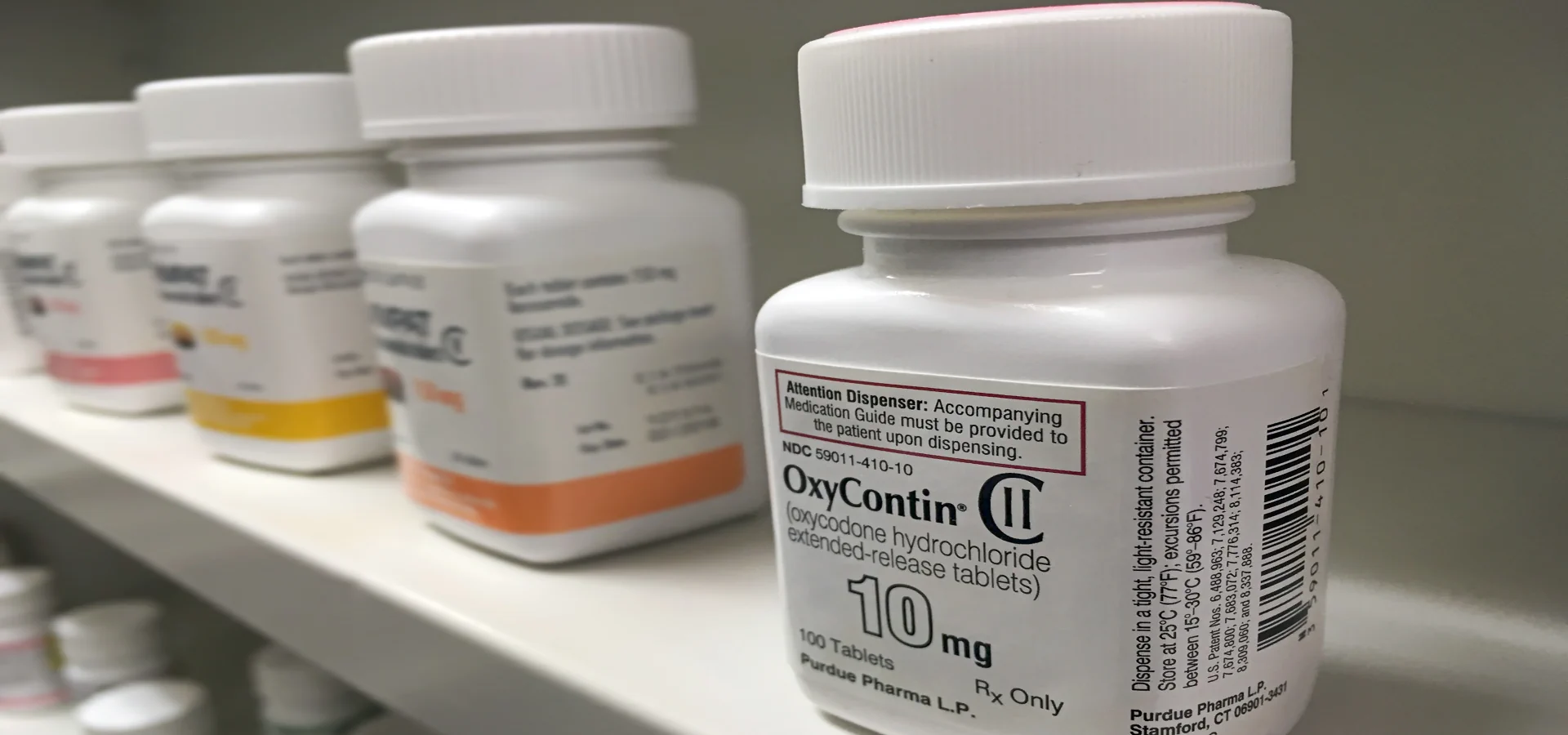
Opioids are a class of drugs that activate opioid receptors in the brain and nervous system to reduce pain and produce feelings of relaxation or euphoria. This group includes prescription pain medications such as oxycodone, hydrocodone, morphine, and fentanyl, as well as heroin and illicit synthetic opioids.
Common slang terms include “blues,” “percs,” “oxy,” “dope,” and “fent.” Some individuals begin using opioids after surgery or injury, while others encounter opioids recreationally through pills, powders, or counterfeit medications. Fentanyl is now frequently found in counterfeit pills and mixed into cocaine, methamphetamine, and other illicit substances without a person’s knowledge.
Opioids may be swallowed, smoked, snorted, injected, or used through counterfeit tablets. Over time, many individuals report using opioids less to “get high” and more to avoid feeling sick, anxious, restless, or unable to function normally.
Risk Factors for Opioid Use Disorder
Several factors may increase the risk of opioid dependence treatment becoming necessary later in life, including:
- Family history of addiction
- Childhood trauma or chronic stress
- Early exposure to substance use
- Depression, PTSD, or anxiety disorders
- Chronic pain conditions
- Social exposure to opioid misuse
- Unstable housing or financial stress
- Prior substance use disorders
- High-risk work environments with injuries
- Exposure to fentanyl-contaminated drug supplies
Why Are Opioids Addictive?
Opioid neurobiology involves powerful effects on the brain’s reward and survival systems. Opioids stimulate dopamine release while also affecting pain regulation, stress response, and emotional processing. This combination can create strong reinforcement patterns that encourage repeated use.
With repeated exposure, the brain adapts to opioid presence through neuroadaptation. Tolerance often develops, meaning larger amounts may be needed to produce the same effect. At the same time, withdrawal symptoms can emerge when opioid levels drop. Many individuals describe using opioids simply to feel “normal” or avoid withdrawal.
Synthetic opioids such as fentanyl have increased overdose risk significantly because of their potency and unpredictable concentration. According to the Centers for Disease Control and Prevention and the National Institute on Drug Abuse, synthetic opioids continue to drive a large percentage of overdose deaths nationwide.
Effects of Opioid Use
Opioid use can affect nearly every major organ system, particularly when use becomes frequent, prolonged, or combined with other substances. Some complications develop over time, while others may occur suddenly during overdose or fentanyl exposure.
Short-Term Effects of Opioids
- Slowed breathing
- Constricted pupils
- Drowsiness or “nodding out”
- Nausea and vomiting
- Impaired coordination
Long-Term Effects of Opioids
- Chronic constipation
- Hormonal suppression
- Sleep-disordered breathing
- Immune dysfunction
- Increased pain sensitivity
Risks of Opioids
- Fatal overdose
- Severe respiratory depression
- Endocarditis from injection
- Hepatitis C and HIV
- Accidental fentanyl exposure

Signs & Symptoms of Opioid Addiction
Opioid addiction often develops gradually. Some people notice changes in energy, sleep, emotions, or daily routines long before recognizing the severity of opioid use. Although healthcare professionals may use DSM-5 criteria when evaluating opioid use disorder, families usually notice practical day-to-day changes first.
Physical Signs
- Pupils that stay small regardless of lighting
- Nodding off mid-sentence or mid-activity
- Unexplained weight loss over weeks or months
- Track marks, bruising, or scarring on arms
- Pale or waxy skin with persistent sweating
- Slow, shallow breathing during rest or sleep
- Cycling from well to visibly sick within hours
Psychological Symptoms
- Anxiety when supply runs low
- Emotional numbness or detachment
- Irritability during withdrawal periods
- Difficulty concentrating at work
- Depression and hopelessness feelings
- Panic during missed opioid doses
- Feeling wired but exhausted
Behavioral Signs
- Running out of prescriptions early
- Isolating from friends and family
- Visiting multiple pharmacies frequently
- Using opioids before daily activities
- Hiding pills or drug paraphernalia
- Missing work after opioid crashes
- Using simply to avoid withdrawal
Do I Have an Opioid Use Disorder?
If opioid use feels less like a choice and more like something you cannot function without, that distinction is clinically meaningful.
Solstice offers a Substance Use Self-Assessment as a starting point for honest self-reflection. A self-assessment is not a diagnosis. What it can do is help clarify whether a conversation with a physician makes sense.
If you use opioids daily, use to avoid withdrawal, or find that stopping on your own has not worked, speaking with an addiction medicine physician is the right next step.
Opioid Withdrawal Symptoms, Timeline, & Detox
Common Opioid Withdrawal Symptoms
- Muscle aches and body pain
- Sweating, chills, and goosebumps
- Nausea, vomiting, and diarrhea
- Anxiety and severe restlessness
- Insomnia and constant yawning
- Dilated pupils and watery eyes
- Strong urges to use opioids
Opioid Withdrawal Timeline
Withdrawal timing varies depending on the opioid involved, frequency of use, fentanyl exposure, and overall health.
The onset of opioid withdrawal symptoms typically begins within 8 to 24 hours after the last dose of short-acting opioids like oxycodone and heroin, or up to 72 hours for long-acting formulations.
The acute phase peaks around 48 to 72 hours and starts to improve over 5 to 7 days. Post-acute opioid withdrawal symptoms can linger for several months, requiring ongoing clinical monitoring and behavioral support to prevent early relapse.
Opioid Detox & Withdrawal Management
Outpatient opioid detox can be appropriate for some people, especially when symptoms are expected to be manageable, and there is reliable follow-up. Effective medication-assisted treatment (MAT), including methadone and buprenorphine, helps reduce opioid withdrawal symptoms and cravings.
Comfort medications may also relieve nausea, diarrhea, anxiety, and sleep problems.
Some people need a higher level of care, especially if they are using fentanyl heavily, have a recent overdose, are medically unstable, or cannot safely stay at home during withdrawal.
Detox alone is not enough for opioid use disorder; CDC advises against detoxification without ongoing medication treatment because of relapse and overdose risk.
Opioid Use Disorder Treatment
Levels of Care
Outpatient opioid treatment can range from weekly visits to more intensive outpatient care. Some patients need fentanyl addiction treatment with closer monitoring, especially if they are early in stabilization, have repeated relapse, or use other sedating substances.
Medications for Opioid Use Disorders (MOUD)
MOUDs represent the clinical gold standard for reducing overdose rates, preventing return to use, and promoting long-term retention in care. MAT helps manage opioid dependence by stabilizing brain chemistry, reducing withdrawal symptoms, blocking euphoric opioid effects, and decreasing opioid-related preoccupation.
The terms MOUD and MAT both refer to medication treatment for opioid use disorder. However, MOUD is increasingly preferred because medication is considered a core treatment rather than simply assisting recovery.
- Buprenorphine sublingual films and tablets, such as Suboxone and Zubsolv, lower the risk of respiratory depression compared with full opioid agonists. While injectable forms, Sublocade and Brixadi, given once or twice monthly, remove the daily medication burden.
- Naltrexone, a daily pill or the monthly injection Vivitrol, blocks the effects of opioids and is used to prevent relapse. It requires individuals to be opioid-free for at least 7-10 days before starting treatment.
- Methadone is effective for opioid use disorder but requires observed dosing and dispensing at a certified opioid treatment program.
For fentanyl addiction treatment, careful initiation strategies may be needed to reduce precipitated withdrawal risk.
Co-Occurring Health Conditions
Opioid use often overlaps with anxiety, depression, PTSD, chronic pain, insomnia, constipation, hepatitis C risk, and sleep-disordered breathing. Treating co-occurring medical and mental health conditions together can improve outcomes and reduce relapse risk.
Evidence-Based Behavioral Therapies
- Cognitive behavioral therapy to address use-related thought patterns and build practical coping skills
- Contingency management using structured positive reinforcement to support sustained behavior change
- Motivational interviewing to strengthen readiness for treatment and reduce ambivalence
- Trauma-Informed care to address trauma, PTSD, and emotional triggers that can increase relapse risk
Psychosocial Supports & Harm Reduction
- Naloxone access and training for patients and household members
- Fentanyl test strips to reduce overdose risk for people who are actively using
- Peer recovery support through community programs and mutual aid networks
- Case management for housing, employment, and legal challenges that affect stability
Our Opioid Treatment Process
Step 1: Comprehensive Medical Assessment
Treatment begins with a detailed assessment of opioid use history, including the type of opioid used, route of use, dose, frequency, overdose history, and whether the person has used prescription opioids, heroin, fentanyl, oxycodone, or other narcotics.
The evaluation also reviews medical conditions, chronic pain, surgery history, liver health, hepatitis risk, mental health symptoms, current medications, and prior attempts to stop taking opioids.
Step 2: Individualized Treatment Planning
The care plan is based on the patient’s symptoms, goals, medical risks, and daily responsibilities. Some patients need medication initiation right away. Others need detox planning, counseling, mental health care, or coordination with other health care providers.
Treatment options may include buprenorphine, referral for methadone treatment, naltrexone after detox, therapy, relapse prevention, and harm reduction planning.
Step 3: Medication Initiation and Stabilization
MOUD is introduced carefully to reduce withdrawal, cravings, overdose risk, and relapse. Buprenorphine may be started once opioid withdrawal begins, or with specialized low-dose approaches in selected cases.
Naltrexone is considered only after a person has completed detox and remained opioid-free long enough to avoid precipitated withdrawal.
Step 4: Ongoing Support and Monitoring
Follow-up visits help track medication response, cravings, sleep, mood, side effects, drug use, and safety. Treatment may include urine drug testing, dose adjustments, counseling, management of co-occurring health conditions, and planning for relapse risks.
Recovery often takes a long period of steady care rather than a single appointment or short detox episode.

Opioid Addiction Treatment in Sarasota, FL
Get Started on Your Recovery Today!
Recovery from opioid addiction is possible with proper medical support, realistic planning, and evidence-based treatment. Solstice Health & Wellness provides outpatient opioid treatment Sarasota Florida residents can access while remaining active in their daily lives.
Our team supports patients from Sarasota, Bradenton, Venice, North Port, and surrounding Gulf Coast communities. Care is integrated and designed to cover the full scope of treatment in one place, including:
This approach helps patients avoid managing their care across multiple disconnected medical providers during early treatment and recovery.
Whether you are searching for opioid addiction treatment Florida, opioid addiction Sarasota, or looking online for outpatient fentanyl treatment, we are here to help.
Is It Time to Get Help?
When your physical health, personal relationships, professional standing, emotional well-being, and basic physical safety are compromised by opioid use, waiting is no longer a viable option.
The ongoing risk of accidental fentanyl poisoning means that every single day spent using carries severe, deadly consequences.
Clinical data prove that early medical intervention significantly improves long-term recovery outcomes and prevents irreversible physical damage.
Taking the first step toward regaining balance can protect your future and restore your quality of life.
Reach out to our team today to explore your outpatient treatment options.
Frequently Asked Questions About Opioid Addiction Treatment
1. What treatment options are available for opioid addiction?
Treatment usually includes medication, counseling, and follow-up care. For many people, outpatient opioid addiction treatment is the most practical starting point.
2. What are common opioid withdrawal symptoms?
Opioid withdrawal symptoms include sweating, nausea, diarrhea, muscle aches, anxiety, insomnia, chills, and intense cravings. Symptoms can feel severe, but medical support can make withdrawal safer and more manageable.
3. How long does opioid detox take?
Short-acting opioids often cause symptoms within a day, then peak over the next few days. Most acute withdrawal improves in about a week, though sleep and mood changes can last longer.
4. Can opioid withdrawal be managed safely?
Yes, especially with medical supervision. Buprenorphine, methadone, and symptom-relief medicines can make withdrawal safer and more tolerable.
5. Which medications are used for opioid addiction?
FDA-approved medications for opioid use disorders (MOUD) include buprenorphine, methadone, and naltrexone. Each medicine works differently to reduce cravings, manage opioid withdrawal, or block opioid effects.
6. Is MOUD Different From MAT?
MOUD and MAT generally refer to the same medication treatments for opioid use disorder. However, MOUD is increasingly preferred because medication is considered a core part of treatment, not simply an “assist” to recovery.
7. Can therapy help with opioid use disorder?
Yes. Therapy can help people manage triggers, stress, pain, and routines that drive use. It works best when paired with medication for many patients.
8. How do you prevent relapse?
Relapse prevention usually means staying on medication, avoiding high-risk situations, and checking in early when stress or pain increases. Naloxone and a safety plan also matter.
9. How long does opioid addiction treatment take?
There’s no set time limit for MOUD. While some patients benefit after 12–24 months, longer treatment is often better, and many stay on medication long term. The biggest survival benefits occur within the first 2–5 years, so staying engaged in care is key to lowering relapse and overdose risk.
10. What increases opioid overdose risk?
Fentanyl exposure, reduced tolerance after detox, mixing opioids with alcohol or sedatives, using alone, and returning to prior doses all increase overdose risk.
11. Is telehealth an option for opioid treatment?
Yes, telehealth can support follow-up visits, medication management, mental health, and medical care when in-person care is not required.
Medically Reviewed By
Frank Melo, MD
Board Certified Addiction Medicine and Family Medicine
Medical Director, Solstice Health & Wellness
Last Updated: May 2026
References
- Volkow ND, Jones EB, Einstein EB, Wargo EM. Prevention and Treatment of Opioid Misuse and Addiction: A Review. JAMA Psychiatry. 2019.
- Blanco C, Volkow ND. Management of Opioid Use Disorder in the USA: Present Status and Future Directions. Lancet. 2019.
- O’Donnell J, Tanz LJ, Miller KD, et al. Drug Overdose Deaths With Evidence of Counterfeit Pill Use – United States, July 2019 – December 2021. MMWR Morb Mortal Wkly Rep. 2023.
- Kral AH, Humphrey JL, Schwab C, Lambdin BH, Ray B. Law Enforcement Drug Seizures and Opioid-Involved Overdose Mortality. JAMA Network Open. 2025.
- Dowell D, Ragan KR, Jones CM, Baldwin GT, Chou R. CDC Clinical Practice Guideline for Prescribing Opioids for Pain – United States, 2022. MMWR Recomm Rep. 2022.
- American Psychiatric Association. Diagnostic and Statistical Manual of Mental Disorders, 5th ed, Text Revision. Washington, DC: American Psychiatric Association; 2022.
- Harris MTH, Weinstein ZM, Walley AY. Medications for Opioid Use Disorder, Opioid Withdrawal, and Opioid Overdose: A Review. JAMA. 2026.
- Naltrexone Hydrochloride [package insert]. US Food and Drug Administration; 2024. Available at: DailyMed.
- Bolívar HA, Klemperer EM, Coleman SRM, et al. Contingency Management for Patients Receiving Medication for Opioid Use Disorder: A Systematic Review and Meta-Analysis. JAMA Psychiatry. 2021.
- Vickers-Smith RA, Gelberg KH, Childerhose JE, et al. Fentanyl Test Strip Use and Overdose Risk Reduction Behaviors Among People Who Use Drugs. JAMA Network Open. 2025.
Medical Disclaimer: The information provided on this page is for educational purposes only and is not a substitute for professional medical advice, diagnosis, or treatment. Always seek the advice of a qualified healthcare provider with any questions you may have regarding a medical condition.