
Weight Loss Tips Backed by Real Science
Key Points
✓ Lasting weight loss comes from daily habits
✓ Protein and fiber keep you full
✓ Strength training protects muscle while losing fat
✓ Sleep shapes hunger more than people think
✓ The best plan is one you sustain
In This Article
If you have tried to lose weight before and watched it return, the frustration is real and familiar. You are not lazy, and you did not fail. These weight loss tips come from current medical science, and they focus on small daily habits that last. With the right approach, steady progress is absolutely possible.
Sustainable weight loss comes from consistent habits: prioritizing protein and fiber, strength training, daily movement, quality sleep, and choosing an eating pattern you enjoy.
Weight Loss Is Not About Willpower: What Science Shows
For years, people blamed weight on willpower alone. However, science tells a different story. Your body weight reflects genetics, hormones, sleep, stress, your food environment, and daily habits. Because so many factors interact, quick fixes rarely hold.
Doctors now recognize peolpe with higher weights as a chronic medical condition, not a question of willpower. So the goal is not a crash diet. Instead, you want steady changes that protect your health and stay realistic over time.
This shift in thinking matters. Rather than chasing fast results, you build habits that keep working. With that in mind, each step below is grounded in current research from nutrition, exercise, and sleep science.
Step 1: Eat More Protein and Fiber to Reduce Hunger
To begin with, focus on what fills your plate. Both protein and fiber help control hunger, which in turn makes eating less feel easier. In fact, clinical research shows that higher protein intake helps preserve muscle during weight loss while also improving fullness.
Aim to include a protein source at every meal. Good options include:
- Eggs, Greek yogurt, and cottage cheese
- Chicken, fish, lean beef, and tofu
- Beans, lentils, and edamame
At the same time, fiber adds staying power. Therefore, build meals around vegetables, fruit, whole grains, and legumes. These foods slow digestion and help steady your energy levels.
Furthermore, most adults benefit from spreading protein across the day. Studies suggest that roughly 1.2 to 1.6 grams per kilogram of body weight supports muscle during weight loss. However, individual needs may vary.
For example, a simple high-protein, high-fiber day might look like this:
- Breakfast: Greek yogurt with berries
- Lunch: chicken salad with olive oil
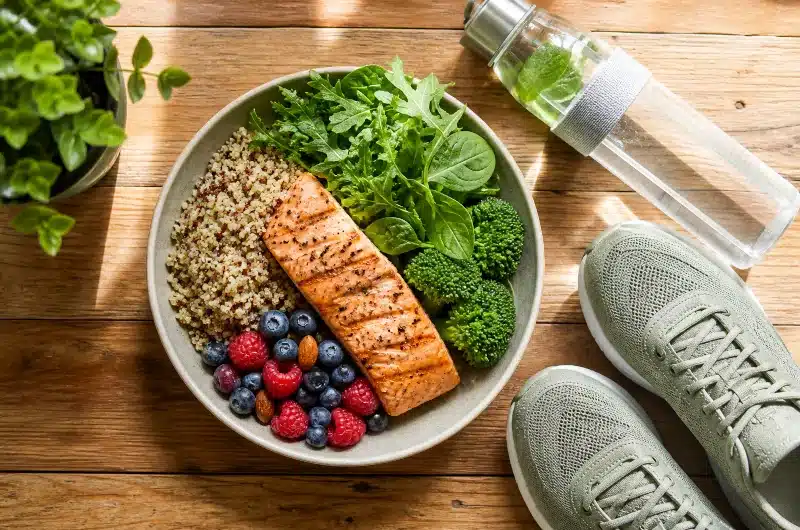
- Dinner: salmon with quinoa and roasted vegetables
Overall, high-protein, high-fiber meals are one of the most effective ways to reduce calorie intake without feeling deprived.
Step 2: Strength Training to Preserve Muscle During Weight Loss
Next, consider the role of strength training. When you lose weight, some muscle can be lost along with fat. This matters because muscle helps maintain metabolism and overall strength. Fortunately, resistance training helps prevent this.
You do not need a gym to start. Instead, you can try:
- Bodyweight moves like squats, pushups, and lunges
- Resistance bands or dumbbells at home
- Two or three short sessions each week
In addition, pairing strength training with adequate protein intake enhances results. Together, they help your body burn fat while maintaining muscle. Over time, stronger muscles also make daily movement easier.
Beginners often see quick gains in strength. So even small, steady efforts pay off. Start light, focus on form, and build slowly.
Step 3: Increase Daily Movement (NEAT and Walking)
Beyond structured exercise, everyday movement plays a major role. In fact, daily activity can be just as important as workouts. For example, federal guidelines recommend about 150 minutes of moderate activity each week. Furthermore, you can break this into smaller, manageable segments.
Simple ways to increase movement include:
- Taking short walks after meals
- Using stairs instead of elevators
- Standing or pacing during phone calls
- Parking farther away
As a result, these small efforts add up throughout the day. This type of movement, often called Non-Exercise Activity Thermogenesis or NEAT, can significantly increase calorie burn without feeling like formal exercise.
Walking deserves special mention. It is gentle on the joints, free, and simple to build into a routine. So start where you are, then add a little more each week.
Step 4: Why Sleep Matters for Weight Loss
What surprises many people is this: poor sleep can undo an otherwise careful diet. In fact, sleep may be the most overlooked weight loss tool. When you skimp on rest, your hunger hormones shift. Ghrelin rises and leptin falls, so appetite climbs the next day.
Sleep studies back this up clearly. In them, short sleep led people to eat hundreds of extra calories, often late at night. Poor sleep also pushes cravings toward fatty foods and carbohydrate rich snacks.
Protect your sleep with a few simple habits:
- Keep a consistent bedtime and wake time
- Dim screens and lights in the evening
- Limit caffeine after early afternoon
- Keep your bedroom cool and dark
Most adults need seven or more hours. So treat sleep as seriously as diet and exercise. Better rest makes every other step easier.
Step 5: Choose a Sustainable Diet That Works for You
No single diet wins for everyone. In fact, research keeps showing the same thing. The best eating pattern is the one you can stick with.
Popular approaches each have evidence behind them:
- Mediterranean style eating, rich in vegetables, olive oil, and fish
- Lower carbohydrate plans that focus on protein and produce
- Time restricted eating, which limits the hours you eat
Interestingly, time restricted eating works mainly by trimming total calories, not through magic timing. Trials show that it performs about as well as steady calorie cutting.
So choose the structure that fits your life. The right pattern is the one that feels doable for you.
Whatever you pick, keep it flexible and realistic. Because consistency beats perfection, a plan you enjoy will always outlast a strict one you dread.
When to Consider Medical Support
Lifestyle habits work well for many people. Still, weight is complex, and some people need more help. That is completely normal.
Excess weight is a treatable medical condition, much like high blood pressure. So medical options can play a real role for the right person. These may include structured medical programs and, in some cases, prescription medication. A doctor can review your health, goals, and history, then guide you toward safe choices.
In general, you may benefit from medical support if you have a BMI over 30, a weight-related health condition, or repeated trouble keeping weight off.
Reaching out is a sign of strength, not weakness. If habits alone have not worked, a medical evaluation can uncover hidden factors. From there, you and your doctor can build a plan that fits.
How Solstice Health & Wellness Can Help
Solstice Health & Wellness helps people in Sarasota reach a healthier weight with medical guidance. Our approach blends nutrition, movement, sleep, and stress habits with medical care when it helps. We treat the whole person, not just a number on the scale.
Care starts with understanding your history and goals. From there, we may draw on our:
Each path is shaped around you.
To take the first step, call 941-330-9797 or connect with our team to discuss what fits your life.
Common Questions About Weight Loss
How fast should I expect to lose weight?
Slow and steady wins. Most experts suggest about one to two pounds per week. Faster loss often means losing muscle and water, which rarely lasts.
Do I have to give up my favorite foods?
No. Rigid rules tend to backfire. Instead, enjoy treats in smaller portions while building mostly nourishing meals around them.
Is exercise or diet more important?
Both matter, but in different ways. Diet drives most weight loss, while exercise protects muscle, mood, and health. Together, they work best.
Medically Reviewed By
Frank Melo, MD
Board Certified Addiction Medicine and Family Medicine
Medical Director, Solstice Health & Wellness
Last Updated: June 2026
References
- Elmaleh-Sachs A, Schwartz JL, Bramante CT, et al. Obesity Management in Adults: A Review. JAMA. 2023.
- Leidy HJ, Clifton PM, Astrup A, et al. The Role of Protein in Weight Loss and Maintenance. Am J Clin Nutr. 2015
- Nadolsky K, Garvey WT, Agarwal M, et al. American Association of Clinical Endocrinology Consensus Statement: Algorithm for the Evaluation and Treatment of Adults With Obesity/Adiposity-Based Chronic Disease-2025 Update. Endocrine Practice. 2025.
- Villareal DT, Aguirre L, Gurney AB, et al. Aerobic or Resistance Exercise, or Both, in Dieting Obese Older Adults. N Engl J Med. 2017.
- Swift DL, Ross LM, Laddu DR, et al. Role of Physical Activity in Obesity Treatment and Cardiometabolic Health: A Scientific Statement From the American Heart Association. Circulation. 2026.
- Piercy KL, Troiano RP, Ballard RM, et al. The Physical Activity Guidelines for Americans. JAMA. 2018.
- Villablanca PA, Alegria JR, Mookadam F, et al. Nonexercise Activity Thermogenesis in Obesity Management. Mayo Clinic Proceedings. 2015.
- Van Egmond LT, Meth EMS, Engström J, et al. Effects of Acute Sleep Loss on Leptin, Ghrelin, and Adiponectin in Adults With Healthy Weight and Obesity. Obesity. 2023.
- Covassin N, Singh P, McCrady-Spitzer SK, et al. Effects of Experimental Sleep Restriction on Energy Intake, Energy Expenditure, and Visceral Obesity. Journal of the American College of Cardiology. 2022.
- Guasch-Ferré M, Willett WC. The Mediterranean Diet and Health: A Comprehensive Overview. Journal of Internal Medicine. 2021.
- Liu D, Huang Y, Huang C, et al. Calorie Restriction With or Without Time-Restricted Eating in Weight Loss. New England Journal of Medicine. 2022.
Medical Disclaimer: The information provided on this page is for educational purposes only and is not a substitute for professional medical advice, diagnosis, or treatment. Always seek the advice of a qualified healthcare provider with any questions you may have regarding a medical condition.